

ونقل الوثائق السرية هو العملية المتخصصة ذات التنظيم العالي لنقل معلومات حساسة وممتلكة ومحمية قانوناً من موقع مكتب إلى آخر، مع الاحتفاظ ببروتوكولات أمنية صارمة، وإيجاد أدلة مستندية مستمرة على نقل الحجز في جميع مراحل العملية المتحركة، وضمان الامتثال التنظيمي الكامل لأطر متعددة تحكم حماية المعلومات.
وفي بيئة عمل دبي السريعة، تواجه المنظمات عبر القطاعات القانونية والمالية والحكومية وقطاعات الرعاية الصحية بصورة منتظمة التحدي الحاسم المتمثل في نقل الوثائق السرية أثناء تحركات المكاتب. بخلاف المعدات المكتبية القياسية—المكاتب والكراسي والأثاثات العامة—وتوفر الوثائق السرية مخاطر فريدة متعددة الأوجه تتطلب مناولة متخصصة، ونظم التغليف الخفيف، وإجراءات التسلسل الموثق للحضانة، ومركبات نقل مأمونة خاضعة للسيطرة على المناخ، وتخضع للتفكيك في المقصد في إطار التحقق من المتلقي المأذون به.
إن المخاطر التي ينطوي عليها تناول الوثائق بطريقة غير سليمة عالية بشكل استثنائي.
A single security breach during relocation can expose client confidentiality, compromise attorney-client privilege, violate regulatory requirements under the قانون حماية البيانات (القانون رقم 5 لعام 2020)' ' يؤدي إلى فرض غرامات تنظيمية كبيرة، وتدمير ثقة العملاء، وخلق مسؤولية التقاضي، والنيل من استمرارية تصريف الأعمال إذا أصبحت الوثائق الحاسمة غير متاحة أو متضررة.
فلماذا يختلف نقل الوثائق السرية اختلافاً جوهرياً عن انتقال المكاتب القياسية:
التركيز على الوظائف الوظيفية في مجال العمل—نقل المكاتب، والكراسي، وخزانات الملفات، والمعدات العامة ذات المتطلبات الأمنية الدنيا بما يتجاوز الرعاية الأساسية. ويعالج محركو المكاتب العامة مسألة النقل باعتبارها مشكلة لوجستية: نقل المواد من النقطة ألف إلى النقطة باء بأسرع ما يمكن وفعالية من حيث التكلفة.
ويختلف نقل الوثائق السرية اختلافا جوهريا.
وتتطلب تحركات الوثائق هيكلاً أمنياً متخصصاً: عبوة تلاعبية واضحة تمنع الدخول غير المأذون به، وتسلسلاً موثقاً للاحتجاز يثبت من يتعامل مع الوثائق في كل نقطة، ويؤمن مركبات نقل مقفلة بتتبع النظام العالمي لتحديد المواقع، ويدرب أفراداً لديهم تصاريح أمنية، ويراقبون الشهود أثناء عمليات الانتقال الحرجة، ويخضعون للسيطرة على التغليف في المقصد في حضور مأذون به. وتستحدث كل مرحلة نقاط التفتيش الأمنية والاحتياجات من الوثائق في غياب تحركات المكاتب العادية.
عند اختيار محرك مكتب لأي نقل ينطوي على معلومات حساسة، إطار التقييم الشامل للبائعين من 12 نقطة مكاتب مؤقتة في Dubai ويشدد على أن القدرة على معالجة الوثائق يجب أن تصبح معيارا بالغ الأهمية للتقييم. ويتناول هذا الدليل عملية نقل الوثائق السرية الكاملة عبر خمس مهام أساسية:
- تقييم ما قبل النقل (جرد الوثائق، وتصنيف الحساسية، والتخطيط الأمني)
- التعبئة المضمونة مع حاويات التلاعب (الحزمة المشرفة، الإغلاق على يوم حزم معين)
- النقل المقفل مع سلسلة الاحتجاز (مركبات الشحن المضمونة، تتبع النظام العالمي لتحديد المواقع، إجراءات التسليم الموثقة)
- التحقق من المخزون والحجز الموقعين (وثائق تسليم موقعة في كل نقطة نقل)
- التسليم المراقب في المقصد (الافتتاح فقط بحضور ممثلين مأذون لهم معينين)
ما هي الوثائق السرية ولماذا يتطلبون معالجة متخصصة؟
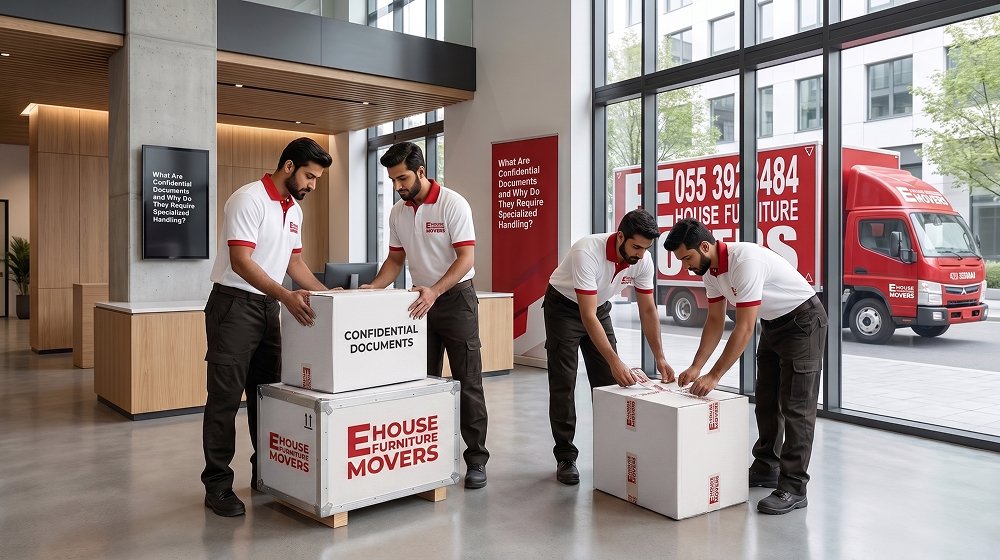
Defining Confidential Documents: Categories, Sensitivity, and Regulatory Status
والوثائق السرية هي سجلات الأعمال التجارية، والملفات القانونية، والبيانات المالية، ومعلومات العملاء، وسجلات الموظفين، والمواد ذات الصلة بالحكومة التي يحميها القانون، أو الالتزام التعاقدي، أو ضرورة الأعمال التجارية، ويجب أن تظل مأمونة، وغير مصحوبة، وقابلة للتعقب في جميع مراحل عملية النقل.
التعريف يمتد إلى ما هو أبعد من وثائق سرية أو سرية وتشمل السرية أي معلومات يتسبب كشفها غير المأذون به في ضرر تجاري، أو ينتهك الالتزامات القانونية، أو ينتهك الشروط التنظيمية، أو يمس خصوصية الأطراف الثالثة.
Legal Category Confidential Documents
وثائق سرية قانونية وتشمل المواد التي يكون كشفها ينتهك امتياز المحامي وموكله، أو يكشف عن استراتيجية التقاضي، أو يعرّض سرية العملاء للخطر:
- ملفات العملاء والمراسلات المميزة بين المحامي وموكله محمية من الاكتشاف
- وثائق التقاضي الفعالة، وسجلات إدارة القضايا، ومنتج عمل المحامي
- العقود والاتفاقات والآراء القانونية ووثائق المعاملات
- سجلات إدارة الشركات ودقائق المجلس وقرارات المديرين
- العلامة التجارية وبراءات الاختراع ووثائق الملكية الفكرية
- ملفات الامتثال التنظيمية ووثائق الترخيص
- سجلات حسابات العملاء الاستئمانية ووثائق المحاسبة المالية
ويخلق التعامل غير السليم مع الوثائق القانونية مخاطر محددة: إذ يمكن التنازل عن امتياز المحامي/الموكل إذا تعرضت الوثائق للخطر، ويمكن المساس باستراتيجية التقاضي، وتسبب الإخلال بسرية العملاء في ارتكاب انتهاكات تعاقدية، وقد تنتهك القواعد التنظيمية لأخلاقيات رابطة المحامين.
الفئة المالية الوثائق السرية
وثائق سرية مالية تتضمن معلومات مالية حساسة عن الأعمال التجارية والعملاء:
- البيانات المصرفية وسجلات الحسابات ووثائق المعاملات
- حافظات الاستثمار، والسجلات التجارية، ووثائق الأصول
- العائدات الضريبية والبيانات المالية والسجلات المحاسبية
- سجلات المرتبات، وملفات تعويضات الموظفين، ووثائق الاستحقاقات
- معلومات مالية عن العملاء وتفاصيل الحسابات وتاريخ المعاملات
- وثائق القروض والمعلومات الائتمانية وسجلات الدفع
- وثائق مراجعة الحسابات وسجلات الامتثال التنظيمي
كشف الوثائق المالية يخلق مسؤولية تنظيمية بموجب لوائح المصرف المركزيويتسبب في إخفاقات في مراجعة الحسابات، ويمكِّن من الاحتيال أو سرقة الهوية، وينتهك خصوصية العملاء.
الحكومة والتنظيم
الوثائق الحكومية والتنظيمية تشمل المواد المتصلة بالعقود الحكومية، والتصاريح، والعلاقات التنظيمية:
- تصاريح حكومية ورخص وموافقات تنظيمية
- العقود والمراسلات الحكومية مع الوكالات الحكومية
- شهادات الامتثال وتقارير المراجعة التنظيمية
- سجلات الملفات الضريبية والمذكرات الحكومية
- وثائق الهجرة والإقامة
- الوثائق المتعلقة بنوع الجنس والعطاءات الحكومية
- تقارير التفتيش التنظيمية ونتائج الامتثال
ومن شأن التعامل غير السليم مع الوثائق الحكومية أن ينتهك البروتوكولات الأمنية الحكومية، أو يمس الامتثال للعقد الحكومي، أو يعرض المعلومات الحكومية السرية.
فئة الرعاية الصحية
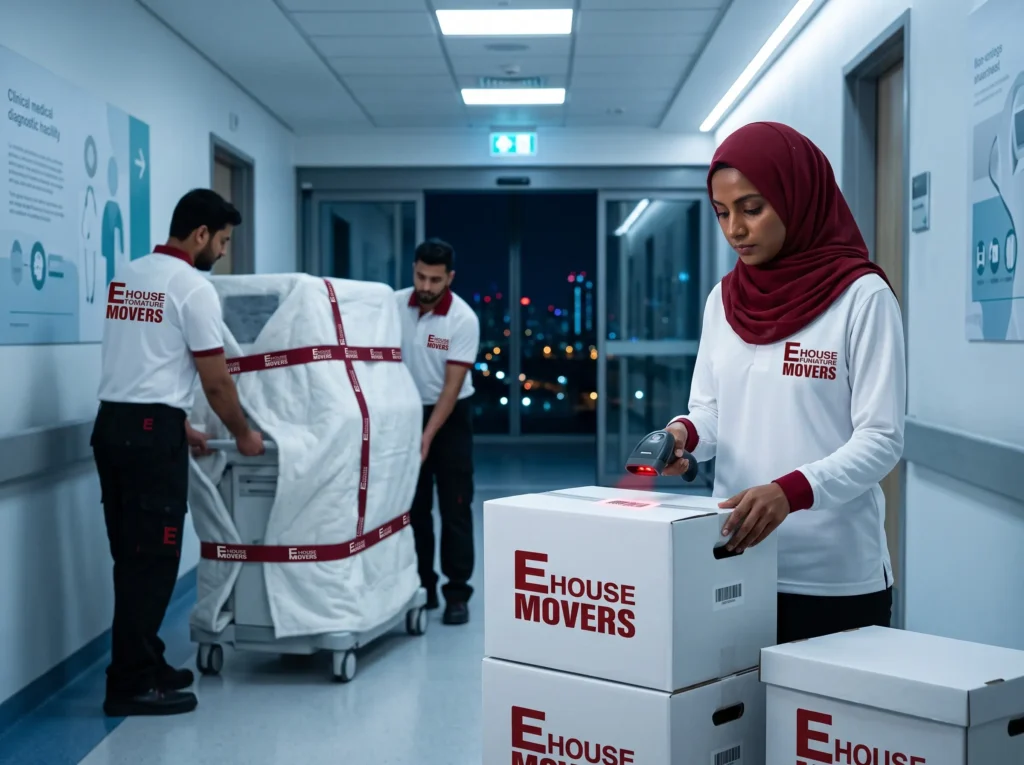
وثائق الرعاية الصحية تتضمن معلومات محمية عن المرضى تنظمها القوانين الصارمة المتعلقة بالخصوصية:
- السجلات الطبية للمرضى والمعلومات الصحية
- وثائق الوصف وسجلات العلاج
- معلومات تأمين المرضى وسجلات فواتيرهم
- وثائق المحاكمات السريرية وسجلات البحوث
- سجلات الخطة الصحية والمعلومات الصحية للموظفين
- نتائج اختبار التشخيص ووثائق التصوير الطبي
- سجلات الصحة العقلية ووثائق العلاج من تعاطي المخدرات
التعرض لوثائق الرعاية الصحية ينتهك خصوصية المرضى، وينشئ مسؤولية تنظيمية بموجب وزارة الصحةيُمكّن من سرقة الهوية، ويُخلّ بالسرية بين الطبيب والمريض.
Understanding Tamper-Evident Containers: Security Technology ذلك يمنع الوصول غير المأذون به
ما هي حاويات تامبر - واضح وكيف يعملون؟
وحاويات التامبر - البيِّن هي مواد التغليف المتخصصة وآليات الإغلاق التي توفر أدلة واضحة ودائمة لا رجعة فيها إذا حاول أي شخص الوصول إلى محتويات الحاويات أو فتحها أو تغييرها أثناء النقل أو التخزين أو النقل. وهي بمثابة الخط الأول للأمن المادي للوثائق السرية، مما يجعل الوصول غير المأذون به قابلا للكشف فورا.
المبدأ الأساسي: الحاوية الغامضة تجعل من المستحيل فتحها وإعادة عرضها دون ترك أدلة بصرية واضحة ودائمة. This creates a psychological and physical deterrent against unauthorized access attempts.
تكنولوجيات بحار تامبر - إيفي
ختم تامبر استخدام مواد متماسكة تترك علامات دائمة مرئية عند فصلها عن السطح:
- رسالة "فويد" ختم عندما تُزال، يَتْركُ الفقمةُ وراء النصِ الدائمِ "VOID" على السطحِ الأساسيِ وعلى الختمِ المُزيلِ،
- الختم المدمرة: البحار التي تمزق بدنيا أو تفتت أو تتفكك عند محاولة الإزالة، مما يجعل من المستحيل
- ختم تغيير اللون: يتغيّر اللون بشكل دائم عندما يتعرّض لمحاولات التلاعب، يكشف عن أنماط لون مخفية
- الفقمات الهوائية: الفقمات الأمنية التي تحتوي على عناصر هولوغرافية لا يمكن تكرارها، مما يجعل التزوير صعبا للغاية
قفل تامبر ونُظم الترقيم:
- أقفال مرقمة قفل غير مرقم على الحاويات يسمح بتحديد مجموعات محددة مقفلة
- ختم كابل الأمن: سلك المعادن عبر مقبض الحاويات وختم بآليات قفل مرقمة
- الأقفال الحيوية: أقفال متطورة تتطلب بصمات الأصابع، أو المسح الرجعي، أو فتح كلمة السر (لتطبيقات الأمنية العليا)
عدد بطاقات التتبع:
- رقم الحاويات: ويحصل كل حاوية على رقم تسلسلي فريد يتيح التتبع الكامل
- تسجيل رقم المبيع: تُسجَّل أرقام تحديد الهوية في سجلات تسلسل الاحتجاز، مما ينشئ رابطة دائمة بين حاويات مختومة محددة وأرقام محددة من الختم
- نظم الباركود: تمكّن البطاقات المرمزة من إجراء مسح سريع لحركة الحاويات وتتبعها
How Tamper-Evident Containers Provide Multi-Level Security
التأثير الرادع البصري: ومن الواضح أن المحاولات غير المأذون بها للحصول على تصاريح الدخول، لأن الجناة المحتملين يعرفون أن أعمالهم ستترك أدلة واضحة. والمعرفة بأن التلاعب يمكن اكتشافه تقلل من الدافع إلى الوصول غير المأذون به.
حفظ الأدلة الدائمة: وفي حالة حدوث تلاعب على الرغم من الآثار الرادعة، توفر الحاوية الخفية أدلة دائمة ومرئية وغير قابلة للانكار. وتصبح هذه الأدلة حاسمة في ما يلي:
- إجراءات التقاضي والتحقيقات التنظيمية
- التحقيقات في الحوادث الأمنية
- سلسلة منازعات الاحتجاز
- مراجعة حسابات الامتثال والامتحانات التنظيمية
- وثائق مطالبات التأمين
التوثيق بدون فتح: وتسمح حاويات التامبر - البيِّنة بالتوثيق البصري بأن المحتويات لم يتم الوصول إليها منذ الإغلاق الأولي. ويحدث هذا التوثيق دون فتح الحاوية—تجنب التعرض للمحتويات
الدفاع القانوني: وفي المنازعات، أو التحقيقات التنظيمية، أو التقاضي، تُعتبر الأدلة الافتراضية دليلاً على النزاهة. وتقبل المحاكم والمنظمون ومراجعو الامتثال الأدلة الواضحة الافتراضية كدليل موثوق على أن الحاويات لا تزال مغلقة وغير مفتوحة.
بيان الامتثال التنظيمي: ويقتضي العديد من الأطر التنظيمية (قانون حماية البيانات، وأنظمة خصوصية الرعاية الصحية، وقواعد الخدمات المالية) على وجه التحديد عبوة تلاعبية من أجل نقل الوثائق الحساسة. وتظهر حاويات التافهة الامتثال لهذه المتطلبات التنظيمية.
Types of Tamper-Evident Containers for Different Security Levels
صناديق محفوظات عالية الأمن:
' 1` الصلاحية الثقيلة، والصناديق الورقية المعززة المصنّعة خصيصاً لتخزين الوثائق السرية مع السمات المتكاملة للنباتات:
- بناء الجدار المزدوج المعزز الذي يقاوم الضرر المادي
- آليات الاختتام المتكاملة للطوابق الافتراضية المدمجة في تصميم الصناديق
- عدد أنظمة القفل التسلسلي التي تمنع إعادة فتحها
- بطاقات تعقب ونظم تحديد الهوية التي تتيح إمكانية تعقب الحاويات بالكامل
- حماية البيئة (الحركة، مقاومة الغبار) لحماية سلامة الوثائق
مناسبة لوثائق الحساسية من المستوى 2 والمستوى 3 التي تتطلب تخزينا مهنيا.
قضايا الوثائق المغلقة:
Metal or heavy-duty plastic cases with keyed locks and integrated tamper-evident seals:
- الأقفال الرئيسية التي يسيطر عليها الموظفون المأذون بهم فقط
- الختم الطارئ المدمج مع آليات القفل
- أعمال البناء الثقيلة لحماية الأضرار المادية أو الدخول القسري
- الفصل بين مختلف فئات الوثائق
- تصميم اتفاق يمكّن النقل اليدوي بكميات أقل من الوثائق
مناسبة لوثائق المستوى 1 التي تتطلب أقصى قدر من الأمن.
أكياس أمن شفافة:
أكياس بلاستيكية واضحة مع شرائط إغلاق خامبر وبوادر أمنية:
- التصميم الشفاف الذي يتيح التحقق البصري من المحتويات دون فتح
- شرائط إغلاق تامبر واضحة لا يمكن إزالتها دون تدمير الحقيبة
- علامات الترقيم والتتبع
- حماية (التصريف بالكهرباء) حماية الوثائق الإلكترونية
- تصميم الوزن الخفيف الذي يمكّن من نقل بطاريات الوثائق الأصغر حجما
مناسبة لوثائق الحساسية من المستويين 2 و3 التي تتطلب قدرات تفتيش بصري.
أنبوب الوثائق:
حاويات إسطوانية مصممة لتخزين الوثائق المتداولة:
- منع تقديم الوثائق أو الإضرار بالضغط أو الحزم
- إغلاق تامبر - جليدي في كلا النهايتين
- نظم وضع العلامات والتتبع
- تصميم الوزن الخفيف للنقل اليدوي
- حماية البيئة التي تحول دون حدوث ضرر بالرطوبة
مناسبة لما يلي: الوثائق الكبيرة، المخططات، الخطط المعمارية، أو الوثائق الخاصة التي تتطلب تخزينا غير مطوّل.
مظروف أمنية من الدرجة المصرفية:
المظاريف الثقيلة ذات الملامح البارزة المتقدمة:
- أعمال البناء المتعددة المستويات التي تقاوم محاولات التلاعب
- آليات الاختتام المتكاملة للطوابع
- التصميم الأمني العالي المماثل لمعايير الأمن المصرفي
- تعقّب العلامات والتصنيف التسلسلي
- تصميم صغير مدمج لوثائق ذات قيمة عالية محدودة
مناسبة لما يلي: وثائق ذات قيمة عالية فردية أو بطاريات حساسة صغيرة (مثل وثائق توكيل المحامين، والعقود السرية).
تقييم ما قبل الترحيل: كيف يمكنك إعداد الوثائق السرية للتحرك؟
الخطوة 1: حصر الوثائق وتصنيفها
وجرد الوثائق هو العملية المنتظمة لتحديد وتصنيف وتسجيل جميع الوثائق السرية التي تتطلب إعادة التوطين، بما في ذلك الوصف المفصل وتصنيفات الحساسية والوضع التنظيمي ومتطلبات المناولة الخاصة.
The inventory becomes the baseline reference for chain of custody verification, ensuring no documents are lost, damaged, or left behind.
المعلومات الأساسية عن قوائم الجرد لكل دفعة من الوثائق:
- فئة الوثائق: Legal, financial, healthcare, government, or proprietary information
- وصف محدد: اسم الوثائق، أو رقم الملف، أو المعلومات المحددة
- تصنيف الحساسية: المستوى 1 (أعلى)، المستوى 2 (أعلى)، أو المستوى 3 (المعيار) على أساس مخاطر التعرض
- الحالة التنظيمية: ما إذا كانت الوثائق خاضعة لأنظمة محددة (قانون حماية البيانات، اللوائح المصرفية)
- الموقع المادي: الموقع الحالي في المكتب الأصلي (غرفة الملفات، خزانة المكاتب، إلخ)
- الكمية: عدد الصفحات أو الملفات أو الصناديق أو الحجم المادي
- متطلبات المناولة الخاصة: درجة الحرارة/درجة الحساسية، حساسية الضوء، متطلبات الحفظ
- القيود على الوصول: مَن مأذون له بتناول الوثائق أو مشاهدتها
- متطلبات الاحتجاز: كم من الوقت يجب الاحتفاظ بالوثائق بعد إعادة التوزيع
- إجراءات التدمير: How documents should be destroyed if no longer needed
وتخدم وثائق الجرد أغراضاً متعددة:
- ضمان تحديد شامل يحول دون فقدان الوثائق
- Provides reference list for chain of custody verification at destination
- بيان الامتثال التنظيمي خلال عمليات مراجعة الحسابات والتحقيقات
- تقدير التكاليف وتخطيط الخدمات استنادا إلى حجم الوثائق
- تحديد متطلبات المناولة الخاصة (وثائق زائدة، ووسائط إعلام هشة، وما إلى ذلك)
الخطوة 2: تصنيف الحساسية لتحديد مستوى الأمن
ويحدد تصنيف الوثائق المستوى الأمني المناسب، ونوع التغليف، وإجراءات المناولة المطلوبة لكل فئة من فئات الوثائق. لا تتطلب جميع الوثائق السرية تدابير أمنية متطابقة—ويكفل التصنيف تخصيص الموارد بكفاءة مع الحفاظ على الأمن المناسب.
المستوى 1 (احساسية عالية):
الوثائق التي تخضع لامتياز المحامي العام، أو التقاضي النشط، أو خصوصية الرعاية الصحية، أو اللوائح المصرفية، أو التصنيف الحكومي:
- الاتصالات المميزة للمدعي العام ومنتج العمل
- وثائق التقاضي الفعالة ومواد استراتيجية إفرادية
- سجلات المرضى الصحيين المحمية بموجب قانون خصوصية الرعاية الصحية
- السجلات المالية المشمولة باللوائح المصرفية
- وثائق سرية أو مقيدة من الحكومة
المناولة المطلوبة:
- التغليف على أرفع مستوى للطوابق مع ملامح أمنية متعددة
- استمرار سلسلة وثائق الاحتجاز
- مراقبة الشهود خلال المراحل الانتقالية الحرجة
- مركبات نقل مؤمنة مقفلة بتتبع نظام تحديد المواقع
- الافتتاح في المقصد مع التحقق من الشهود
- الحد الأقصى من القيود المفروضة على دخول الموظفين وتصاريح أمن الموظفين
مستوى التصنيف 2 (الحساسية العالية):
المعلومات السرية عن الأعمال التجارية، وسجلات الموظفين مع البيانات الشخصية، وقوائم العملاء، وعمليات الملكية، أو وثائق الامتثال التنظيمية:
- سجلات الأعمال السرية والمعلومات الاستراتيجية
- سجلات الموظفين التي تتضمن معلومات شخصية
- قوائم العملاء ومعلومات الاتصال مع العملاء
- العمليات أو الصيغ أو المعلومات التقنية
- وثائق الامتثال التنظيمي وتقارير مراجعة الحسابات
المناولة المطلوبة:
- حاويات للطوارئ مزودة بآليات قفل مرقمة
- إجراءات تسلسل الاحتجاز الموثقة
- مركبات النقل المضمونة ذات التتبع الأساسي للنظام العالمي لتحديد المواقع
- التحقق من التسليم بالتوقيع المأذون به
- القيود على الدخول
تصنيف المستوى 3 (السرية الثابتة):
سجلات الأعمال التجارية الداخلية التي لا تخضع لأنظمة محددة، والمراسلات التجارية المحفوظة، والوثائق التاريخية:
- سجلات الأعمال التجارية الداخلية والمراسلات العامة
- الاتصالات التجارية المحفوظات
- الوثائق التاريخية والمعاملات المنجزة
- السجلات التشغيلية العامة
المناولة المطلوبة:
- صناديق محفوظات قياسية مع شريط مختوم
- وثائق التسلسل الأساسي للحضانة
- مركبات النقل الموحدة مع مناطق الشحن المقفلة
- التحقق من التنفيذ
الخطوة 3: اجتماع التخطيط لما قبل النقل: وضع إجراءات أمنية
The pre-relocation planning meeting brings together key stakeholders to establish written security procedures, assign responsibilities, identify special handling requirements, and create the documented framework for secure relocation. ويجب أن يعقد هذا الاجتماع قبل الموعد المقرر للانتقال بأسبوعين وأربعة أسابيع.
المشاركون في الاجتماع الأساسي:
- موظف قانوني/موظف مشارك: تحديد المتطلبات التنظيمية ومسائل الامتيازات القانونية
- الوثائق: توفير معرفة تفصيلية بالوثائق والمواقع والحساسيات
- IT/Information Security: تقييم مخاطر ومتطلبات أمن المعلومات
- مدير المرافق/العمليات: تنسيق اللوجستيات والوصول إلى المرافق
- Selected Office mover Representative: شرح الإجراءات الأمنية ومعالجة الشواغل المحددة
- المستفيدون المأذون لهم في موقع جديد: إجراءات الاستلام والتوافر المحدد للمتلقي
جدول أعمال اجتماع التخطيط لما قبل إعادة التوزيع:
- قائمة جرد الوثائق الشاملة الحالية إلى جميع المشاركين
- تصنيفات حساسية الشركات لكل وثيقة
- استعراض إجراءات تسلسل الاحتجاز والموافقة عليها ضمان فهم جميع الأطراف لمسؤولياتها
- تحديد متطلبات المناولة الخاصة (الوثائق الأساسية، والحساسية البيئية، وما إلى ذلك)
- Establish designated authorized recipients في موقع جديد مع متلقي الدعم
- توافر الشهود لأغراض التعبئة والنقل ومراقبة التسليم
- استعراض الشهادات الأمنية للمتنقلين في المكاتب تغطية التأمين
- وضع إجراءات الاتصال بالنسبة للمسائل أثناء النقل
- الجدول الزمني المحدد لإعادة التوطين التقليل إلى أدنى حد من اضطراب المكاتب مع كفالة إجراءات أمنية شاملة
- وضع خطة أمنية مكتوبة توثيق جميع الإجراءات والمسؤوليات
The outcome of this meeting should be a written "Document Relocation Security Plan" signed by all participants, establishing the framework for secure relocation.
إجراءات التعبئة المضمونة: How Documents Are Sealed on Packing Day
التحضير ليوم التعبئة: أسبوع قبل الانتقال
قبل أسبوع من يوم التعبئة المحدد، تضمن أنشطة التحضير أن كل شيء جاهز للتعبئة الآمنة:
الخطوة 1: إخطار جميع الموظفين المتضررين بموعد التعبئة والإجراءات. إبلاغ تاريخ التعبئة والجدول الزمني للانتقال إلى كل شخص لديه إمكانية الوصول إلى الوثائق. توضيح أن الوثائق لن تكون متاحة أثناء التعبئة والنقل، بحيث ينبغي أن تسترد الوثائق اللازمة قبل يوم التعبئة.
الخطوة 2: تحديد وتنظيم جميع الوثائق في موقع معين. :: تجميع الوثائق من جميع أنحاء المكتب في موقع مركزي آمن (غرفة المؤتمرات، المنطقة الآمنة للمكاتب). تأمين منطقة الترميز هذه، والحد من إمكانية الوصول إلى الموظفين المأذون لهم فقط.
الخطوة الثالثة: الحاويات الاصطناعية البرتقالية ومواد الإغلاق. ترتيب وتلقي جميع الحاويات الاصطناعية والأختام والأقفال وعلامات الهوية. التحقق من كميات مطابقة لجرد الوثائق. اختبار آليات الختم للتأكد من أنها تعمل بشكل صحيح.
الخطوة 4: تأكيد وقت وصول المتحركين من المكاتب والموظفين. تأكيد الموعد المحدد والوقت الذي سيصل فيه فريق التعبئة التابع للمكتب. تأكيد أسماء وأدوار أفراد التعبئة. التحقق من مدى توافر الشهود ليوم التعبئة الكامل.
الخطوة 5: مقابلة الشهود المستقلين وفيما يتعلق بوثائق المستوى 1، اتخاذ الترتيبات اللازمة لشاهد مستقل (لا يستخدمه المكتب أو الشركة المتحركة) لمراقبة إجراءات التعبئة. ويوفر ذلك التحقق الموضوعي من الامتثال الأمني.
إجراءات يوم التعبئة: تحت مراقبة الشهود
ويوم التعبئة هو الحدث الحاسم الذي تُوضع فيه الوثائق في حاويات حاويات متناثرة، مختومة بآليات أمنية، وموثقة في سجل تسلسل الاحتجاز. وتكفل الإجراءات الصارمة التعامل مع الوثائق بصورة آمنة ومناسبة.
صباحا: التحقق المسبق للتعبئة )١-٢ ساعة قبل بدء التعبئة(
الخطوة 1: التحقق من جرد الوثائق على القائمة الرئيسية. وقبل أن توضع أي وثائق في حاويات، فإن التحقق من جميع الوثائق التي يتعين حزمها حاضر ومطابقة للمخزون الرئيسي الذي أُنشئ أثناء تقييم ما قبل النقل. توثيق أي تناقضات قبل الشروع في التعبئة.
الخطوة 2: فحص الوثائق المتعلقة بالأضرار القائمة. (ب) فحص كل دفعة من الوثائق للضرر الذي كان قائماً من قبل، أو التدهور، أو الضرر المائي، أو العيوب. تصوير أي ضرر ووثيقة في سجل التعبئة This establishes a baseline for condition assessment at destination and prevents movers from being blamed for pre-existing damage.
الخطوة 3: تنظيم الوثائق في مجموعات منطقية تضاهي مستويات التصنيف. :: وثائق المجموعات إلى فئات منطقية تتطابق مع نظم تقديم الوثائق التنظيمية وتصنيفات الحساسية. إبقاء وثائق المستوى 1 منفصلة عن وثائق المستويين 2 و3. This facilitates location and verification at destination.
منتصف النهار: التعبئة والبحار تحت إشراف الشهود (3-6 ساعات)
الخطوة 1: وضع الوثائق في الحاويات المغلقة تحت إشراف الشهود.
ويجب حضور شاهد معين (الإدارة أو الامتثال أو الاستقلال) أثناء عملية التعبئة بأكملها. يتحقق الشاهد:
- توضع الوثائق الصحيحة في حاويات صحيحة
- وتُنظَّم الوثائق على النحو المناسب (غير مختلطة)
- فقط الوثائق المأذون بها يجري حزمها
- لم تدرج أي أصناف شخصية أو مواد غير مأذون بها
- الوثائق مطابقة للتجمعات المنطقية المحددة سلفا
وبما أن الوثائق توضع في كل حاوية، فإن الشاهد يرصد ويثبت أن الإجراءات تُتبع بشكل صحيح.
الخطوة 2: تطبيق الختم الخفيف بينما يراقب الشاهد عملية الإغلاق.
وبعد وضع الوثائق في حاوية، تُطبق على الفور الأختام الغامضة في حين يرصد الشاهد مباشرة الختم. ويمكن أن يؤدي تطبيق الختم غير السليم إلى المساس بالأمن؛ وتتأكد مراقبة الشهود من أن الفقمات هي:
- Applied to all openings (no gaps or unsealed edges)
- مضغطة بشكل فائق على السطح (يبعث شعاع دائم)
- الأفراد المأذون لهم باستخدام التقنيات المناسبة
الخطوة 3: أرقام الختم المسجلة وعلامات تحديد الحاويات في سجل الحجز
كل ختم تلاعب له رقم تعريف فريد ويسجل هذا الرقم، إلى جانب رقم تحديد الحاويات، في سجل سلسلة الاحتجاز فور إغلاقه. وينشئ ذلك رابطة دائمة بين حاويات محددة وختم محدد.
وينبغي أن تشمل سلسلة دخول سجلات الاحتجاز ما يلي:
- رقم الحاويات
- رقم (أرقام) تحديد الهوية
- التاريخ مختوم
- الوقت المغلق (حتى اللحظة)
- عدد الصفحات/الصفوف في الحاويات
- فئة الوثائق (القانونية والمالية وما إلى ذلك)
- تصنيف الحساسية (المستوى 1 أو 2 أو 3)
- وصف موجز للمحتويات
- اسم فني التعبئة والتوقيع
- اسم الشهود والتوقيع
- أي مذكرات مناولة خاصة (الضعف، درجة الحرارة الحساسة، إلخ)
الخطوة 4: وضع بطاقة حزم مفصلة لكل حاوية مختومة.
وتتلقى كل حاوية مختومة علامة شاملة مثبتة على السطح الخارجي مرئية دون فتح الحاوية:
- رقم الحاوية الوحيدة (مثل، "DOC-001")
- وصف المحتويات (مثل، "الأفلام الجميلة - ألف إلى ميم"
- تصنيف الحساسية (المستوى 1 أو 2 أو 3)
- رقم (أرقام) تحديد الهوية
- تاريخ وزمان مغلقان (إلى الدقيقة)
- اسم فني التعبئة
- اسم الشهود والتوقيع
- "لا يُطلق سراحه في التدمير من قبل الممثل تحذير
- تعليمات مناولة خاصة (إذا انطبق)
- Barcode or QR code (إذا استخدم نظام التتبع)
الخطوة 5: الحاويات المختومة فور إغلاقها.
التقط صور رقمية متعددة لكل حاوية مختومة مباشرة بعد الإغلاق، قبل أي حركة أو مناولة:
- صور من زوايا متعددة تظهر الفقمات بوضوح
- ضمان أن تكون أعداد الختم مرئية في الصور
- توفير الصور مع البيانات الوصفية التي تبين التاريخ/الوقت المأخوذ
- تحميل الصور لتأمين الموقع في اليوم نفسه
- Include photographs as part of permanent chain of custody record
وتقدم الصور دليلاً مرئياً إذا زعم التلاعب لاحقاً. وتوفر مقارنة الصور من يوم التعبئة إلى حالة المقصد أدلة موضوعية على التلاعب (أو عدم وجوده).
الخطوة 6: وضع وثيقة موجزة شاملة للتعبئة.
في نهاية يوم التعبئة، وضع وثيقة موجزة شاملة تتضمن قائمة:
- مجموع عدد الحاويات المعبأة
- أرقام ومحتويات الحاويات
- توزيع تصنيف الحساسية (كم عدد الحاويات من المستوى 1، 2، 3 حاويات)
- مجموع عدد الصفحات وحجم الوثائق
- أرقام هوية المبيعات لكل حاوية
- أي تناقضات في المخزون الأصلي
- تاريخ وتوقيت الانتهاء
- أسماء وتوقيعات جميع الموظفين الحاضرين (فريق التغليف، الشاهد، أمين الوثائق المأذون به)
ويصبح هذا الموجز وثيقة إتمام التعبئة الرسمية التي تؤكد أن جميع الوثائق قد تم تأمينها بشكل سليم.
النقل المقفل مع سلسلة الوثائق الطبية: كيف تسافر الوثائق بأمان
متطلبات أمن المركبات
ومركبات النقل المقفلة هي مركبات متخصصة مصممة خصيصا للشحنات السرية والقيمة، بما في ذلك مقصورات الشحنات المقفلة، وتتبع النظام العالمي لتحديد المواقع، وإجراءات الحجز الموثقة التي تكفل بقاء الوثائق آمنة طوال الرحلة.
مواصفات النقل المقفلة الحرجة:
منطقة الشحن المخصّصة:
- معادن صلبة أو جدران مركبة معززة تمنع الدخول الخارجي
- باب القفل الثقيل لا يتطلب سوى الدخول
- مقصورة منفصلة معزولة عن سيارة أجرة (لا يستطيع السائق الوصول إلى البضائع أثناء النقل)
- لا وجود لمحتويات الشحن من خارج المركبة
- الختم الواقي من الطقس/الضرر البيئي
تتبع النظام العالمي لتحديد المواقع والرصد المستمر:
- نظام تحديد المواقع في الوقت الحقيقي يسجل باستمرار موقع المركبات
- تتبع عملية رصد المسارات التي تؤكد المركبات مسارا سبق الموافقة عليه
- تنبيهات الموقع الجغرافي لإخطار المرسل إذا انحرفت المركبات عن المنطقة المعتمدة
- الرصد السريع الذي يحول دون حدوث تغيرات مفرطة في السرعة مما يشير إلى وجود مشكلة
- أجهزة استشعار الاصطدام التي تكشف عن تسارع أو تصادمات مفاجئة أثناء النقل
التحقق من السائقين والموظفين:
- التحقق من خلفيات السائقين لا يؤكد أي تاريخ إجرامي
- تصاريح أمنية للسائقين مناسبة لمعالجة الوثائق
- شهادة تدريب السائقين على مناولة البضائع السرية
- معلومات عن هوية السائقين والاتصال بهم
- طاقم من شخصين لوثائق المستوى 1 (منع وصول شخص واحد)
وثائق المركبات والتفتيش:
- تفتيش المركبات قبل المغادرة
- أمن خزانات الوقود يحول دون وصول الوثائق عبر منطقة الوقود
- تخزين الإطارات الاحتياطية المقفلة والمتحقق منها
- التحقق من معدات الطوارئ وتوثيقها
- حالة المركبات المصورة قبل المغادرة
تخطيط ما قبل النقل: تحديد الطريق والإجراءات
2-3 أيام قبل بدء النقل، يحدد التخطيط السابق للنقل المسار والتوقيت والإجراءات الدقيقة التي تكفل التنفيذ الآمن للنقل.
إجراءات التخطيط قبل النقل:
الخطوة 1: تحديد المسار المعتمد.
تحديد المسار المحدد من المكتب الأصلي إلى موقع جديد:
- الطريق الرئيسي مع شوارع/طرق رئيسية محددة
- طرق بديلة إذا أصبح الطريق الرئيسي غير متاح
- تحديد مناطق آمنة للراحة إذا مددت مدة النقل
- تأكيد جميع الطرق البرية أو الطرق الخاصة التي تتطلب الدفع
- تقدير الوقت للرحلة الكاملة في ظروف المرور العادية
- آخر وقت للمغادرة يكفل الوصول خلال ساعات العمل (يفضل الوصول النهاري)
الخطوة 2: تحديد التوقيفات الآمنة (إذا لزم الأمر).
إذا تجاوزت مدة النقل 4 ساعات أو يلزم تخزينها بين عشية وضحاها:
- تحديد مرفق مأمون للتخزين الليلي (مستودع مأهول، وموقف آمن)
- مُنشأة المُؤمّن لديها مُخزّنات مُغلقة وكاميرات أمن وأجهزة إنذار
- تدريب موظفي المرافق على معالجة الوثائق السرية
- تدابير أمن مرفق الوثائق
- وضع إجراءات حضانة لموظفي المرافق
الخطوة 3: وضع إجراءات الاتصال.
وضع بروتوكول اتصال بين فريق النقل والمكتب/الوجهة:
- المكالمات المقررة: تأكيد المغادرة، وفحص منتصف الرحلة، وإبلاغ الوصول
- إجراءات الطوارئ: من سيتصل إذا وقع حادث أو انهيار أو طارئ
- التصعيد: تحدي القيادة في الإبلاغ عن المشاكل أو التأخير
- التتبع في الوقت الحقيقي: يمكن لموظفي المكاتب الوصول إلى نظام تحديد المواقع أثناء النقل
- إثبات التسليم: وثائق صور الوصول
الخطوة 4: إجراءات استقبال المقصد
الاتصال بالمتلقين المأذون لهم في موقع جديد يؤكد:
- وقت الوصول المتوقع
- حيث يجب على السائق تفريغ الحاويات
- من سيتلقى ويتحقق من الحاويات في المقصد
- حيث يتم تخزين الحاويات فور وصولها
- إجراءات التحقق من الحاويات في المقصد
سلسلة وثائق العملاء: إنشاء مسار كامل لمراجعة الحسابات
ما هو (شاين) من (كوزتودي) ولماذا يهم؟
سلسلة الاحتجاز هي تتبع الإجراءات الموثقة التي كان بإمكانها الحصول على وثائق سرية في كل مرحلة أثناء إعادة التوطين—من التعبئة الأصلية من خلال التوصيل النهائي في موقع جديد وهو يخلق مسارا كاملا لمراجعة الحسابات يثبت أن الوثائق ظلت آمنة طوال فترة الانتقال.
ويؤدي تسلسل الاحتجاز إلى عدة أغراض حاسمة:
- الأدلة القانونية: In litigation or disputes, chain of custody proves who handled documents and when
- الامتثال التنظيمي: بيان الامتثال لقوانين حماية البيانات والأنظمة الصناعية
- وثائق التأمين: تقديم أدلة تدعم مطالبات التأمين في حالة وقوع الخسارة أو الضرر
- المساءلة الداخلية: :: إيجاد مسؤولية واضحة ومنع تحديد الأصابع
- التحقيق الأمني: If unauthorized access is suspected, chain of custody identifies who had access
- مسار مراجعة الحسابات: مراجعة الحسابات التنظيمية تتطلب إثباتا موثقا لصيانة الأمن
Essential Chain of Custody Documentation components
قائمة الجرد الرئيسية:
قائمة خط الأساس الشاملة التي أُنشئت أثناء تقييم ما قبل النقل:
- جميع الوثائق التي تتطلب إعادة التوطين
- أوصاف الوثائق والكميات
- تصنيفات الحساسية
- المتطلبات التنظيمية (إذا انطبقت)
- تعليمات مناولة خاصة
- مواقع الوثائق في المكاتب الأصلية
التحقق المسبق من المخزون:
أجري التحقق قبل يوم من التعبئة:
- جميع الوثائق المدرجة في القائمة الرئيسية موجودة
- لا توجد وثائق غير مدرجة في القائمة يجري حزمها
- تطابق الوثائق
- تاريخ وتوقيت التحقق
- الاسم والتوقيع
- أي تناقضات لوحظت وحلت
وثائق التعبئة:
السجل الكامل ليوم التعبئة المنشأ على النحو المبين في الفرع السابق:
- أرقام الحاويات لكل طرد مختوم
- المحتويات والكمية في كل حاوية
- تصنيف الحساسية
- رقم (أرقام) ختم تامبر - جنين
- تاريخ وزمان مغلقان
- اسم فني التعبئة والتوقيع
- اسم الشهود والتوقيع
- صور للحاويات المختومة
سجل حجز النقل:
(أ) الوثائق المستمرة المحتفظ بها أثناء النقل:
- أسماء أعضاء فريق النقل ووثائق التفويض
- تحديد المركبات (اللوحة، رقم المركبات)
- تاريخ المغادرة والوقت والموقع
- تاريخ الوصول المتوقع والوقت والموقع
- سفر محدد
- أي وقف يتم (مع التاريخ والوقت والسبب والمدة)
- التحقق من التقيد بالطرق
- مراقبة السلامة البحرية أثناء النقل (إذا حدث توقف)
- ملاحظات السائقين بشأن حالة المركبات أو الحوادث
- قيود سجلات الاتصالات (المكالمات، تحديثات الحالة)
- أي حوادث أو تأخيرات أو أحداث غير عادية أثناء النقل
وثائق التسليم:
السجلات المنشأة في كل عملية لنقل المسؤولية:
- تاريخ وتوقيت التسليم
- موقع التسليم
- الطرف المطلق (الاسم، العنوان، التنظيم، التوقيع)
- الطرف المتلقي (الاسم، العنوان، التنظيم، التوقيع)
- اسم الشهود وتوقيعهم (إذا اقتضى الأمر)
- عدد الحاويات وأرقام الهوية
- أرقام تحديد الهوية
- بيان التحقق من سلامة تصريف الأعمال (لا تزال الصفوف سليمة وغير مرتبة)
- أي تناقضات أو استثناءات لوحظت
- التوثيق الفوتوغرافي للأختام وقت التسليم
وثائق التنفيذ والافتتاح:
السجل النهائي لاستلام وفتح الحاويات:
- تاريخ وتوقيت التسليم
- اسم المتلقي المأذون به، العنوان والتوقيع
- اسم الشهود وتوقيعهم (إذا اقتضى الأمر)
- حالة الحاويات عند وصولها (سلامة المجاري، ضرر مرئي)
- تاريخ فتح الحاويات والوقت
- التحقق من أن الختم كان سليما في الافتتاح
- التحقق من المحتويات )وثائق موجودة وغير مدمر(
- مكان تخزين الوثائق في مكتب جديد
- أي تناقضات أو وثائق مفقودة
- التوقيع المأذون به للمتلقي يؤكد الاستلام الكامل والتنسيب المناسب
Organization and Retention of Chain of Custody Records
حافظ على سجل مادي
إنشاء جهاز بدني شامل يتضمن جميع وثائق التسلسل الزمني للحضانة:
- قائمة الجرد الرئيسية (الصفحة الأولى)
- وثيقة التحقق المسبق
- وثائق التعبئة
- صور للحاويات المختومة
- سجل مراقبة النقل
- وثائق النقل
- وثائق التنفيذ والافتتاح
- Page
ويصبح هذا الملزم الأثر الرسمي لمراجعة الحسابات الذي يثبت الصيانة الأمنية. (ب) أن تخزن المربط بأمان مع إمكانية الوصول المحدودة إلى الموظفين المأذون لهم (الامتثال، القانوني، الإدارة).
إنشاء وصيانة الدعم الرقمي:
Scan all chain of custody documents and store as PDF files:
- إنشاء نسخ رقمية مشفرة (محمية من كلمة السر)
- نسخ رقمية مخزنة على الخادم الآمن مع مراقبة الدخول
- الاحتفاظ بنسختين احتياطيتين مستقلتين على الأقل في مواقع آمنة منفصلة
- ضمان حفظ النسخ الرقمية لتوقيعات الوثائق والصور
- تنفيذ الرقابة على النسخ التي تحول دون إجراء تغييرات عرضية في السجلات
متطلبات الاحتجاز:
وضع سياسة للإبقاء على الوثائق تحدد مدة صيانة السجلات:
- الوثائق القانونية: البقاء إلى أجل غير مسمى (قد تكون هناك حاجة إلى التقاضي أو تأكيدات الامتياز في المستقبل)
- الوثائق المالية: الاحتفاظ بسياسة كل شركة (يمثل 5-7 سنوات لكل متطلبات الضرائب/المراجعة)
- وثائق الرعاية الصحية: الاحتفاظ بالمتطلبات التنظيمية (من 5 إلى 10 سنوات)
- الوثائق الحكومية: الاحتفاظ باللوائح المنطبقة (ربما يكون غير محدد لبعض الوثائق)
- وثائق الأعمال العامة: Retain per company retain policy (typically 3-5 years)
ضوابط الدخول:
Limit access to chain of custody records to:
- الموظفون القانونيون
- المديرون التنفيذيون المأذون بهم
- مراجعو الحسابات والمفتشون التنظيميون (حسب الطلب المأذون به)
- مستشار قانوني خارجي (إذا اقتضى الأمر التقاضي)
- أمناء الوثائق المعينون
Create access loging who accessed chain of custody records, when, and for what purpose.
قسم الشاحنات المقفلة: كيفية منع مركبات النقل المضمونة
تصميم مجمّع البضائع المقفل والمعالم الأمنية
وتُعد أقسام الشاحنات المقفلة على وجه التحديد مقصورات للشحنات المبنية على مركبات نقل متخصصة، مصممة لمنع الوصول غير المأذون به إلى الشحنات مع الحفاظ على الظروف البيئية الملائمة التي تحمي سلامة الوثائق.
المواصفات الهندسية لمجمعات الشحنات المقفلة:
بناء الخدمة الثقيلة:
- إطار الصلب أو الألمنيوم الذي يوفر الدعم الهيكلي
- الحوائط المعدنية أو المركبة التي تمنع الاختراق
- الثياب والأطر البابية المعززة التي تمنع الدخول القسري
- آليات القفل التي تتطلب عدة مفاتيح أو مزيجات
- خفض عدد المشاهدين في الحد من المسابقة أثناء النقل
البيئة البحرية:
- ختم مضاد للإثير يمنع تسرب المياه
- إغلاق الدوق منع التعرض للغبار
- التهوية الخاضعة للرقابة مع الحفاظ على تداول الهواء دون تلوث خارجي
- الرصد البيئي (الطبيعة، وأجهزة استشعار الرطوبة)
- Dehumidifiers or climate control maintaining 40-60% relative humidity
الأمن ومراقبة الدخول:
- آليات القفل المتعددة التي تتطلب مفاتيح مأذون بها
- عدم وصول سيارات الأجرة أو مناطق الركاب
- نوافذ المراقبة الخارجية مستحيلة (لم تكن مرئية من الخارج)
- الإضاءة الداخلية التي تتيح الرؤية دون فتح باب الشحنات
- إجراءات الدخول في حالات الطوارئ موثقة لكنها مقيدة
Cargo area organization:
- نظم تأمين السيارات التي تمنع حركة الحاويات أثناء النقل
- العزلة الافتراضية التي تمنع الحاويات من الركض أو التحول
- وضع قيود تمنع الإفراط في الوزن على الحاويات الأدنى
- متطلبات المباعدة بين المسافات وضمان التداول الجوي السليم حول جميع الحاويات
- نظم الترميم التي تحول دون تراكم السوائل
تتبع النظام العالمي لتحديد المواقع والتحقق من الطرق
وتوفر نظم تتبع النظام العالمي لتحديد المواقع رصدا في الوقت الحقيقي لموقع المركبات ومسارها، مما يتيح التحقق من أن المركبات تتبع مسارات معتمدة وتحديد أي انحرافات قد تدل على تحويلها أو توقفها بدون إذن.
مواصفات تتبع النظام العالمي لتحديد المواقع:
رصد المواقع في الوقت الحقيقي:
- تحديد مواقع ساتلية توفر موقعا دقيقا في حدود 5-10 متر
- عرض الخرائط في الوقت الحقيقي يبين الموقع الحالي والتقدم في المسار
- طريق "بريكرامب" يسجل مسار كامل
- جيم - إدماج حركة المرور في الوقت الحقيقي
- إعادة النظر التاريخية التي تمكّن من إجراء استعراض كامل للرحلة بعد الانتهاء
التحقق من الطرقات والملاحة الجغرافية:
- المسارات السابقة الموافق عليها المبرمجة إلى النظام بنقاط طريق محددة
- إقامة الحدود الافتراضية حول الطرق المعتمدة
- نظام إنذار يخطر المرسل على الفور إذا خرجت المركبات من الجيوفنس
- الكشف عن أي انحراف
- إجراءات الموافقة على الطرق البديلة إذا أصبحت العناوين ضرورية
مراقبة السرعة والسلوك:
- رصد سريع لتحديد السرعة المفرطة أو التعجيل غير العادي
- اكتشاف التباطؤ المفاجئ للكشف عن المكابح القاسية أو الحوادث المحتملة
- تنبيهات للعصابات تحدد التحول العدواني أو القيادة غير الآمنة
- توقف رصد الوقت ومدته
- تشخيص المهندسين
دمج الاتصالات:
- التتبع المباشر المتاح لموظفي المكاتب والمقصد عبر بوابة آمنة
- التحديثات الآلية التي أُرسلت على فترات محددة سلفاً (كل 15-30 دقيقة)
- نظام الإنذار في حالات الطوارئ الذي يمكّن من الاتصال السريع إذا نشأت مسائل
- قدرة على توثيق صور فوتوغرافية تمكن السائق من التوقف عن التصوير أو الحوادث
- القدرة على التوقيع الرقمي مما يتيح تأكيد التسليم إلكترونيا
لم يُفتح إلا عند تحديد مكان وجود الممثل المعين: إجراءات التنفيذ الخاضعة للمراقبة
الإعداد قبل الوصول إلى أماكن جديدة
ويضمن الإعداد السابق للتسجيل أن الموقع الجديد جاهز لتلقي الحاويات المختومة وأن الموظفين المأذون لهم موجودون للتحقق من السلامة وتأمين التخزين المناسب.
إجراءات الإعداد (أسبوع واحد قبل الوصول):
الخطوة 1: تعيين المستفيدين المأذون لهم.
تحديد الأفراد المرخص لهم بتلقي وثائق سرية:
- رؤساء الإدارات أو المديرين المسؤولين عن الوثائق
- موظفون معنيون بالامتثال أو القانون يشرفون على أمن الوثائق
- إدارة المرافق أو الوثائق
- المستفيدون المرخص لهم المناوبون (الدعم في حالة عدم توافر التعليم الابتدائي)
- توثيق جميع المتلقين المأذون لهم بأسماء وعناوين ومعلومات الاتصال
الخطوة 2: إعداد منطقة تخزين آمنة في موقع جديد.
ضمان أن يكون للموقع الجديد للمكاتب تخزين مناسب:
- نظام إيداع آمن أو قبو لتخزين الوثائق
- ضوابط الدخول التي تحد من دخول منطقة التخزين
- الضوابط البيئية (المؤقت 18-25 درجة مئوية، الرطوبة 40-60%)
- التدابير الأمنية (الحواجز، الكاميرات، عند الاقتضاء) لحماية الوثائق بعد الولادة
- نظم التعبئة والتخزين التي نُظِّمت لتنسيب الوثائق
- تنظيف منطقة التخزين وإعدادها قبل وصول الوثائق
الخطوة 3: وضع إجراءات الاستلام والتحقق.
وضع إجراءات مكتوبة لتلقي الحاويات والتحقق منها وتخزينها:
- الشخص المعين لتلبية مركبة النقل عند وصوله
- موقع محدد لتفريغ الحاويات (غرفة المؤتمرات، منطقة آمنة)
- إجراءات تفتيش الحاويات قبل فتحها
- إجراءات التحقق من الختم ضد الصور من يوم التعبئة
- إجراءات فتح الحاويات والتحقق من المحتويات
- إجراءات التوثيق
الخطوة 4: الشاهد المترتب (إذا اقتضى الأمر الحصول على وثائق من المستوى الأول).
وفيما يتعلق بوثائق أعلى درجة من الحساسية، ترتب للشاهد المستقل مراقبة الافتتاح:
- تحديد الشهود المستقلين (غير المستخدَمين من قبل الشركة أو الشركة أو شركة نقل)
- توافر الشهود المؤكّدين لوقت التسليم المتوقع
- نقدم شاهداً بنسخة من صور الختم من يوم التعبئة
- شرح دور الشهود ومتطلبات الوثائق
- تقديم شاهد على قائمة الوثائق المتوقعة في كل حاوية
الخطوة 5: إخطار فريق النقل بإجراءات الاستلام الدقيقة.
:: إجراءات استقبال الاتصال بفريق النقل:
- موقع الوصول الفعلي وعنوانه
- أسماء المستفيدين المأذون لهم وأرقام هاتف الاتصال
- تعليمات محددة لوقوف السيارات والتفريغ
- إجراءات الوصول إلى المباني (إذا اقتضى الأمر الحصول على شارة أمنية أو مرافقة)
- نافذة وقت الوصول المتوقعة
- إجراءات الاتصال إذا تغير وقت الوصول
- مكان تفريغ (غرفة أو منطقة محددة)
- المعدات المتاحة للتفريغ (الرافعات الشوكية، والشاحنات اليدوية، إلخ)
إجراءات التحقق من الوصول والحاويات
الخطوة 1: يخطر فريق النقل المستفيدين المأذون لهم بالوصول.
وعندما تصل مركبة النقل إلى موقع جديد، يقوم السائق بالاتصال على الفور بإذن المتلقي:
- توفير وقت الوصول المقدر (عادة في غضون 15 دقيقة)
- الجهات المتلقية المعينة حاضرة ومتاحة
- لا تفريغ الحاويات حتى يكون المتلقين المأذون لهم جاهزين
- تقديم رقم الهاتف الخلوي في حالة تأخر تلقيه
الخطوة 2: تفتيش المتلقي المأذون به للحاويات المختومة قبل فتحها.
وقبل فتح أي حاويات، يفتش المتلقي المأذون به بعناية كل حاوية:
- التحقق من أرقام هوية الحاويات مطابقة لوثائق التسليم
- التحقق من أرقام تحديد هوية الختم المطابقة لسجل الحجز
- Compares current seal condition to photographs taken onpacking day
- الشيكات لعلامات مرئية من التلاعب أو التلف أو الحل الوسط
- وثائق أي تشوهات أو شواغل بشأن الختم
قائمة مرجعية للتحقق من سلامة التصرف:
- وتظهر البحار سليمة (غير ممزقة أو شظايا أو مزيلة جزئيا)
- الصمود السائل مكتمل (لا حواف تتبول بعيدا)
- وسمات المبيعات (VOID) أو سمات تغيير اللون سليمة (غير مفعمة)
- يظهر خارج الحاويات أي محاولات دخول قسرية أو علامات قذف
- يُظهر الحاويات ارتياب مناسب يتفق مع النقل (لا ضرر مفرط)
وإذا تبين أن أي ختم قد تعرض للخطر، فإن الحاوية ترفع علمها على الفور وتُعالج بشكل منفصل بإجراء تحقيق إضافي.
الخطوة 3: مراقبة الشهود المستقلين لفتح الحاويات (لوثائق المستوى 1).
وفيما يتعلق بوثائق الحساسية العليا، يوجد شاهد مستقل طوال إجراءات الافتتاح:
- الشهود يفحصون صوراً مختومة من يوم التعبئة
- الشهود يتحققون من أرقام الختم في سجلات التسلسل
- الشهود يراقبون مباشرة عملية الافتتاح
- يشهد الشاهد أن الختم كان سليماً قبل فتحه
- ملاحظات كتابية
الخطوة 4: يفتح المتلقي المأذون به حاويات مختومة باستخدام الإجراءات المناسبة.
وباستخدام الأدوات المناسبة (سكين X-Acto، أو مقص، أو أداة القطع)، يفتح المتلقي المأذون به بعناية كل حاوية في حين يلاحظ الشهود:
خطوات التحقق الافتتاحي:
- قطع بحذر أو قذف الختم الغامض دون تدمير المحتويات الداخلية
- فحص الختم لأي علامات على الافتتاح السابق أو التلاعب
- ابحث عن علامات "VOID" أو مؤشرات تغيير اللون التي تشير إلى الافتتاح السابق
- التفتيش الافتراضي داخل الحاوية لشرط الوثائق
- Compare contents to packing list and inventory documentation
- التحقق من تنظيم الوثائق وتجميعها
- التحقق من أن جميع الصفحات والملفات حاضرة وغير متضررة
- تحديد أي وثائق أو شذوذ مفقود
الخطوة 5: إعداد وثيقة تحقق افتتاحية.
ومع فتح الحاويات، تستكمل وثيقة تحقق افتتاحية مفصلة:
وينبغي أن يشمل التحقق الافتتاحي ما يلي:
- تاريخ وتوقيت الافتتاح
- اسم المتلقي المأذون به، العنوان والتوقيع
- اسم الشهود وتوقيعهم (إن انطبق)
- فتح رقم الحاويات
- عدد (أو أرقام) هوية حاويات
- بيان التحقق: "Seal was intact and unaltered when opened on [date] at [time]
- التحقق من محتويات الوثيقة: "جميع الوثائق المدرجة في قائمة الجرد موجودة وغير مدمرة"
- مكان تخزين الوثائق
- أي تناقضات أو شذوذ (فقدان الوثائق، والأضرار، وعدم التنظيم)
- التوقيع المأذون به على الوثيقة
- توقيع الشهود الذي يؤكد سلامة إجراءات الافتتاح
إطار الامتثال التنظيمي: كيف تعالج الوثيقة السرية المتطلبات القانونية
قانون حماية البيانات (القانون رقم 5 لعام 2020)
ال قانون حماية البيانات (القانون رقم 5 لعام 2020) هو الإطار التنظيمي الأساسي الذي يحكم حماية المعلومات أثناء نقلها إلى دبي.
الاحتياجات الرئيسية لنقل الوثائق:
التدابير الأمنية المناسبة: ويجب على المنظمات أن تنفذ التدابير التقنية والتنظيمية المناسبة لحماية البيانات الشخصية. وفيما يتعلق بنقل الوثائق السرية، تشمل التدابير المناسبة ما يلي:
- حاويات نافعة تمنع الوصول غير المأذون به
- مركبات نقل مقفلة مع تتبع نظام تحديد المواقع
- الموظفون المتدربون مع التحقق من المعلومات الأساسية
- سلسلة وثائق الاحتجاز التي تثبت الصيانة الأمنية
- ضوابط الدخول التي تحد من هوية من يستطيع التعامل مع الوثائق
حقوق موضوع البيانات: ويحتفظ الأفراد الذين ترد بياناتهم في الوثائق بحقوقهم حتى أثناء إعادة التوطين. ويجب على المنظمات:
- ضمان عدم الوصول إلى البيانات دون إذن أثناء النقل
- منع فقدان البيانات الشخصية أو فسادها أو تدميرها
- الحفاظ على دقة البيانات في جميع مراحل النقل
- ضمان عدم استخدام البيانات لأغراض تتجاوز جمعها الأصلي
متطلبات الإخطار بالاختلاس: إذا حدث الوصول غير المأذون به أثناء النقل:
- إخطار الأفراد المتضررين في غضون 72 ساعة
- تقديم تقارير إلى السلطات التنظيمية إذا حدث خرق كبير
- ظروف الإخلال والإجراءات التصحيحية
- تقييم الأثر وتنفيذ التدابير التصحيحية
متطلبات الوثائق: الحفاظ على الوثائق الشاملة التي تثبت:
- نُفذت تدابير أمنية مناسبة
- تدريب الموظفين على التزامات حماية البيانات
- تم الحفاظ على سلسلة الاحتجاز طوال فترة الانتقال
- لم يحدث أي وصول غير مأذون به أو فقدان بيانات
متطلبات التنظيم الصناعي - السريع
امتثال القطاع القانوني:
وتُحمَّى الاتصالات المميزة للمدعي العام ومنتج عمل المحامي من الكشف عن المعلومات. ويجب أن يقوم نقل الوثائق بما يلي:
- منع تعرض الأطراف غير المأذون لها للبلاغات المحظورة
- الحفاظ على سرية معلومات العملاء
- سلامة مواد التقاضي
- تم الاحتفاظ بسلسلة الوصايا المستندية التي تثبت الامتياز
- الامتثال لقواعد أخلاقيات رابطة المحامين فيما يتعلق بأمن الوثائق
UAE legal regulations يشترط على شركات القانون أن تنفذ حماية ملائمة للسرية.
امتثال الخدمات المالية:
لوائح المصرف المركزي وولاية المتطلبات المصرفية:
- ضمان التعامل مع المعلومات المالية المتعلقة بالعملاء
- لا تزال سجلات مراجعة الحسابات التي تثبت صحة الوثائق المالية آمنة
- منع الوصول غير المأذون به إلى معلومات الحسابات
- الامتثال لمتطلبات توثيق مكافحة غسل الأموال
- التحقق المنتظم من أن التدابير الأمنية لا تزال كافية
الامتثال للرعاية الصحية:
وزارة الصحة الاحتياجات:
- حماية خصوصية المرضى والسرية الطبية
- تأمين التعامل مع السجلات الطبية للمرضى
- منع الكشف غير المأذون به عن المعلومات الصحية
- الامتثال لمتطلبات الاحتفاظ بالسجلات الطبية
- الحفاظ على الوثائق التي تثبت حماية الخصوصية
امتثال الحكومة:
يجب على الكيانات الحكومية والمتعاقدين الحكوميين:
- الامتثال للبروتوكولات الأمنية الحكومية ومتطلبات التخليص
- الوثائق المتعلقة بمعالجة المعلومات الحكومية
- الحفاظ على إجراءات أمن الوثائق السرية
- إتاحة إمكانية الوصول فقط إلى الموظفين المأذون بهم والمغادرين
- الاحتفاظ بسلسلة الحجز لوثائق الحكومة
طلبات الحصول على شهادات القطاع: القانونية والمالية، والحكومة، والرعاية الصحية
القطاع القانوني: مكاتب القانون والنيابة العامة
وتواجه الشركات القانونية التي تنقل ملفات العملاء السرية تحديات فريدة تتعلق بامتيازات المحامي ومواد التقاضي.
الاعتبارات القانونية:
حماية الامتياز بين المدعي العام وموكله: وتُحمي الاتصالات المحظورة بين المحامين والعملاء من الكشف عن المعلومات. يجب أن تكون إجراءات إعادة التوزيع:
- منع الاتصال العرضي بالأفراد غير المسافرين
- الحفاظ على سرية هوية العملاء
- Protect litigation strategy and attorney opinions
- الوثائق التي حافظت على هذا الامتياز طوال فترة الانتقال
مناولة مواد إزالة الألغام: وتتطلب ملفات التقاضي النشطة حماية خاصة:
- الحفاظ على التنظيم الذي يمكّن من الوصول السريع للمحامين بعد نقلهم
- منع الإفصاح عن الاستراتيجية أو التكتيكات لمعارضة المحامي
- سلامة الوثائق الاحتياطية للاستخدام المحتمل لقاعة المحكمة
- تسلسل الوثائق في حالة التقاضي فيما بعد بشأن معالجة الوثائق
الإجراءات الموصى بها للقطاع القانوني:
- تصنيف المستوى 1 لجميع مواد الاتصالات والمقاضاة المحظورة
- المراقبة المستقلة للشهود أثناء التعبئة والافتتاح
- محدودية الوصول إلى المحامين المأذون بهم
- التخزين الآمن في مكتب القانون بنظم القفل والإنذار
- إتاحة الوثائق فورا للمحامين عند الطلب
الخدمات المالية: المصارف والشركات المالية
ويجب على المؤسسات المالية التي تنقل سجلات العملاء أن تحافظ على الامتثال التنظيمي وعلى ثقة العملاء.
الاعتبارات المالية:
الامتثال التنظيمي لمراجعة الحسابات: يجري المنظمون المصرفيون عمليات مراجعة حسابات لفحص ما إذا كانت هناك تدابير أمنية مناسبة:
- ويصبح تسلسل وثائق الاحتجاز دليلاً تنظيمياً
- تثبت عملية مراجعة الحسابات أنه تم الحفاظ على الأمن أثناء إعادة التوطين
- ضوابط الدخول تثبت الامتثال للوائح المصرفية
- وثائق التأمين تحمي المؤسسة من المسؤولية
حماية المعلومات المالية للزبائن: معلومات حساب العملاء حساسة ويجب حمايتها:
- منع الإفصاح غير المأذون به عن أرصدة الحسابات أو التفاصيل
- الحفاظ على ثقة العملاء أن المعلومات تظل سرية
- الامتثال لأنظمة السرية المصرفية
- الحماية من سرقة الهوية والاحتيال
الإجراءات الموصى بها للقطاع المالي:
- تصنيف المستوى 1 لمعلومات حساب العملاء
- النقل المقفل بالتتبع المستمر للنظام العالمي لتحديد المواقع
- المراقبة المستقلة للشهود من أجل الانتقالات الحرجة
- وثائق مباشرة لمراجعة الحسابات تثبت الامتثال
- التحقق من أن جميع الحسابات لا تزال متاحة
الحكومة والتنظيم: المنظمات الحكومية التي تنقل الوثائق السرية
وللكيانات الحكومية متطلبات أمنية فريدة تتعلق بالتصنيف الحكومي والتصاريح الأمنية.
الاعتبارات الخاصة بالحكومة:
متطلبات التخليص الأمني: يجب على الموظفين الذين يتعاملون مع الوثائق الحكومية:
- عقد التصاريح الأمنية المناسبة على المستوى المطلوب
- موافقة الحكومة على التعامل مع الوثائق السرية أو الحساسة
- فهم البروتوكولات الأمنية الحكومية
- إجراءات المناولة الخاصة بالحكومة
معايير الوثائق الحكومية: وتقتضي الوثائق الحكومية ما يلي:
- Strict chain of custody documentation
- الحاويات والإجراءات الأمنية التي اعتمدتها الحكومة
- محدودية الوصول إلى الموظفين الحكوميين المأذون لهم
- المشاركة المحتملة لموظفي الأمن الحكوميين في عملية النقل
الإجراءات الموصى بها للقطاع الحكومي:
- إحاطة أمنية لما قبل إعادة التوزيع لجميع الموظفين المعنيين
- التحقق من المعلومات الأساسية وإقرارها
- الحاويات المعتمدة من الحكومة وإجراءات الإغلاق
- تدابير النقل والأمن التي اعتمدتها الحكومة
- الإشراف المحتمل لأفراد الأمن الحكوميين خلال المراحل الحرجة
الرعاية الصحية: الممارسات الطبية وسجلات المرضى المتنقلة
ويجب على مقدمي الرعاية الصحية الذين ينقلون السجلات الطبية للمرضى أن يحافظوا على خصوصية المرضى والامتثال التنظيمي.
الاعتبارات الخاصة بالرعاية الصحية:
حماية خصوصية المرضى: المعلومات الطبية للمرضى شديدة الحساسية:
- منع الكشف غير المأذون به عن هوية المريض أو حالته الطبية
- الحفاظ على سرية المرضى من الأطباء
- الحماية من سرقة الهوية باستخدام المعلومات الطبية
- الامتثال لأنظمة خصوصية الرعاية الصحية
الامتثال التنظيمي: ويجب على مقدمي الرعاية الصحية:
- الامتثال لمتطلبات الاحتفاظ بالسجلات الطبية
- الحفاظ على مسار مراجعة الحسابات الذي يثبت الأمن أثناء النقل
- تنفيذ حماية خصوصيات الوثائق
- توفير وثائق مراجعة الحسابات لعمليات التفتيش التنظيمية
الإجراءات الموصى بها لقطاع الرعاية الصحية:
- تصنيف المستوى 1 لجميع السجلات الطبية للمرضى
- النقل المقفل مع الرصد المستمر
- مراقبة الشهود المستقلين للتعبئة والفتح
- تدابير مشفرة أو أمنية خاصة للسجلات الطبية الرقمية
- التحقق الفوري بعد النقل من أن سجلات المرضى مأمونة ويمكن الوصول إليها
Pricing and Cost Breakdown: How Much does Secure Document Relocation Cost?
وتعكس تكاليف نقل الوثائق السرية التدابير الأمنية المتخصصة، والموظفين المدربين، والمركبات الآمنة، والوثائق الشاملة اللازمة.
توزيع عنصر التكاليف:
حاويات وأجهزة التغليف )٠٠٠ ٨٠٠ - ٠٠٠ ٢(
- صناديق محفوظات عالية الأمن: ED 60-120 لكل صندوق
- عدد الأقفال والختم التسلسلية: 30 إلى 60 لكل حاوية
- شريط فيديو وملصقات أمنية: ED 10-20 لكل حاوية
- مواد تمهيد وغطاء حماية: ED 20-40 لكل صندوق
- لوازم التوثيق التصويري
عمالة التعبئة المهنية )٥٠٠ ١-٠٠٠ ٤(
- التحقق والتنظيم في مرحلة ما قبل التغليف: 400-600
- التعبئة المشرفة والاختتام: ٠٠٢-٢٠٠
- سلسلة وثائق الاحتجاز: AED 300-500
- وثائق التصوير الفوتوغرافي:
- تنسيق الشهود: ٠٠٢-٠٠٣
النقل الآمن )٠٠٠ ٢ - ٠٠٠ ٦(
- استئجار مركبات الشحن المقفلة: ٠٠٢-٠٠٠ ٣
- GPS tracking and realtime monitoring: AED 300-800
- التحقق من خلفيات السائقين: AED 200-400
- صيانة الوقود والمركبات: 200-400
- رسوم التأمين الإضافية لنقل الوثائق:
سلسلة وثائق الاحتجاز وخدمات الشهود (200-000 3 دينار أردني):
- إعداد الوثائق الشاملة:
- الوثائق الرقمية والصور الفوتوغرافية: AED 300-400
- التنسيق المستقل للشهود: ٥٠٠-٢٠٠ ١
- التنسيق والتحقق في مجال التنفيذ:
- Record organization and archival: AED 200-300
مجموع التكاليف المقدرة للانتقال المتوسط الحجم )٥١-٢٥ صندوقا(:
- الحاويات والتغليف: 200 1 دينار عراقي
- التعبئة العمالية: 500 2 دينار
- النقل الآمن: 500 3 دينار عراقي
- الوثائق والشهود: 800 1 دينار أردني
- Total: AED 9,000 (تقريبا) 400-600 لكل صندوق)
التخفيف من حدة المخاطر والقضايا المشتركة: كيفية منع نقل الوثائق
المخاطر والوقاية غير المأذون بهما
المخاطر: ويُطلع على الوثائق السرية أو يصورها أو ينسخها أفراد غير مأذون لهم، مما يعرض معلومات حساسة.
استراتيجيات الوقاية:
- التحقق من المعلومات الأساسية لجميع الموظفين
- تقييد الوصول إلى مناطق التعبئة والنقل
- مراقبة الشهود خلال المراحل الحرجة
- التدريب على أمن الموظفين بشأن التزامات السرية
- تتبع سجلات الدخول التي تعاملت مع الوثائق
الوثيقة Loss or Damage Risk and Prevention
المخاطر: وتفقد الوثائق أثناء النقل أو تدمر في الحاويات المختومة.
استراتيجيات الوقاية:
- التحقق الشامل من المخزون قبل إعادة التوزيع
- الوثائق والتصوير المسبق
- النقل الآمن مع الحد الأدنى من المناولة
- حزمة دقيقة لمنع تلف الحاويات
- التحقق من المخزون بعد التسليم
المخاطر والمنع التنظيمية
المخاطر: ولا تمتثل إجراءات نقل الوثائق للأنظمة المنطبقة.
استراتيجيات الوقاية:
- استعراض الامتثال في مرحلة ما قبل النقل يحدد الاحتياجات المحددة
- الإجراءات الكتابية التي تتناول كل شرط تنظيمي
- تدريب الموظفين على التزامات الامتثال
- وضع الوثائق التي توفر مسار مراجعة الحسابات
- التحقق والرصد المنتظمان للامتثال
مخاطر منع الحمل
المخاطر: وتصور الوثائق أو تنسخها أو يتقاسمها أفراد يطلعون عليها دون إذن.
استراتيجيات الوقاية:
- ضوابط الدخول الصارمة التي تحد من هوية من يستطيع التعامل مع الوثائق
- اتفاقات التحقق من المعلومات الأساسية والسرية
- مراقبة الشهود خلال المراحل الحرجة
- التخزين الآمن الذي يحول دون الوصول العرضي
- إجراءات الاستجابة للحوادث التي تتيح الاستجابة السريعة للانتهاك
FAQs: Common Questions about Confidential Document Moving in Dubai
A: A typical confidential document relocation of 15–25 boxes takes ٢-٤ أيام عمل بما في ذلك تقييم ما قبل التغليف، والتعبئة والإغلاق، والنقل الآمن، والتسليم المراقب مع التحقق. وقد تتطلب عمليات النقل الأكبر خمسة إلى سبعة أيام.
A: لم يوصى. وينبغي نقل الوثائق السرية بمعزل عن معدات المكاتب العامة لأغراض العزلة الأمنية، وتبسيط سلسلة الاحتجاز، ومراقبة الدخول. وإذا اقتضت القيود المفروضة على التكاليف التكامل، فإن ضوابط الدخول الصارمة وإجراءات المناولة المنفصلة ضرورية.
A: أوقف النقل فوراً لا تقبل الحاوية تصوير الضرر، وتوثيق الحادثة، وإخطار الامتثال والإدارة، والتحقيق في كيفية التلاعب، والاتصال بإنفاذ القانون إذا كان يشتبه في ارتكاب تلاعب إجرامي، ووضع تقرير عن الحوادث.
A: نعم، توصية عالية. وتقدم الصور دليلاً مرئياً على سلامة الفقمة وحالتها في كل نقطة حرجة (التغليف، التسليم، التسليم). وينبغي توفير الصور الرقمية كسجل دائم.
ألف - التحقق ISO 27001 (نظم إدارة أمن المعلومات)، SOC 2 Type II (مراقبة المنظمة)، وإجراءات التحقق من المعلومات الأساسية، وخبرة مناولة الوثائق، والإجراءات الأمنية المكتوبة، وتغطية التأمين المناسبة.
A: Maintain physical security during transition, scan documents to digital format meeting security standards, implement digital security matching physical security rigor, verify digital copies against physical originals, establish digital retention policy, and securely destroy physical documents after verification.
A: الرتبة 1 (أعلى درجة من الحساسية) تشمل الاتصالات المميزة بين المحامي وموكله، وسجلات الرعاية الصحية، والمعلومات المصرفية التي تتطلب أقصى قدر من الأمن. المستوى 2 (الحساسية العالية) تشمل المعلومات التجارية السرية وسجلات الموظفين التي تتطلب أمنا قويا. المستوى 3 (المعيار) يشمل سجلات الأعمال العامة التي تتطلب الأمن الأساسي.
Sarmast Baloch is a distinguished content strategist and industry writer with multiple years of specialized expertise in the self storage and residential relocation sector. ويعكس عمله قيادة عميقة لنقل اللوجستيات، والتخزين الأمثل، واستراتيجيات إعادة توطين المستهلكين، مما يؤدي باستمرار إلى توفير محتوى موثوق به ومستند إلى نظرة ثاقبة، مما يسد الفجوة بين معارف الصناعة وصنع القرار كل يوم. وعلى مر السنين، بنى سارماست سمعة قوية لتصميم روايات مدروسة بدقة، ومزودة ببيانات تمكن أصحاب المنازل والمستأجرين والأعمال التجارية من الاقتراب من إعادة التوطين بشكل واضح وثقة. واشتملت مساهماته التحريرية على طائفة واسعة من مواضيع النقل والتخزين، من تحليل التكاليف وتقييم البائعين إلى حلول لوجستيات إدارة الفضاء البعيدة المدى. صوت موثوق به في المشهد المتحرك والتخزين، (سارماست) يجلب مزيجاً نادرًا من التصلب التحليلي والقصّة الميسّرة لكلّ قطعة ينتجها، مما يجعله سلطة قيّمة في (إيهوس موفرز).
إدريس هو متخصص في الخدمات اللوجستية مع التركيز على نقل السكن وكفاءة سلسلة التوريد. مع خبرة واسعة في صناعة النقل ، فهو متخصص في سلامة النقل ، وتقنيات التعبئة المتخصصة للسلع عالية القيمة ، وإدارة الأسطول. وهو مكرس لتبسيط عملية النقل، وضمان التعامل مع كل عملية نقل مع التخطيط الاستراتيجي والرعاية القصوى.