

نقل غرف السيرفر هي العملية المتخصصة لقطع الاتصالات والنقل الآمن وإعادة تركيب الهياكل الأساسية لمركز البيانات—بما في ذلك الخواديم، والمفاتيح، والمسارات، ولوازم الطاقة غير القابلة للانفصال، ونظم المقصورة—من مكان مادي إلى آخر وفي بيئة عمل دبي العالية الكثافة، حيث تقوم المكاتب في كثير من الأحيان بتوطيد المواقع أو تحسين المرافق، تتطلب عمليات نقل غرف الخواديم خبرة تقنية تتجاوز الخدمات اللوجستية الموحدة للمكتب.
ويختلف نقل غرف الموظفين اختلافاً جوهرياً عن تحركات المكاتب العادية. ويركز نقل المكتب الموحد على تنسيب الأثاث ومناولة المعدات العامة. ويتطلب نقل غرف السيرفر حماية من التصريف الكهروستاتي، وإدارة درجة الحرارة بدقة أثناء المرور العابر، والتوثيق التفصيلي لتشكيلات النظم، والتنسيق مع بائعين متعددين في مجال التكنولوجيا مسؤولين عن الربط الشبكي ونظم الطاقة.
تحرك مركز البيانات—أو هجرة الخواديم—يمثل حدثا حاسما في تخطيط استمرارية تصريف الأعمال. ويمكن لأي إخفاق في المعدات، أو تضليل الكابلات، أو إلحاق ضرر بيئي أثناء النقل أن يؤدي إلى ساعات أو أيام من التعطل في العمل، وإلى فقدان المعاملات، وإلى المساس بسلامة البيانات. وتتطلب أعمال دبي التي تعتمد على استمرار توافر الهياكل الأساسية لتكنولوجيا المعلومات من ناقلات المكاتب التي لديها خبرة مصدقة في مجال المناولة وبروتوكولات موثقة لتخفيف المخاطر.
عند اختيار المحركات لنقل غرفة الخواديم إطار تقييم البائعين من 12 نقطة ينطبق على جميع مكاتب مؤقتة في Dubai يُضمنُك أن تُشركَ المُقدّمين المُقدّمين المُقدرين بوثائق التفويض الصحيحة، والتأمين، ومعايير التشغيل. ويعالج هذا الدليل عملية نقل غرف الخواديم بالكامل عبر أربع وظائف أساسية: التخطيط المسبق للمواقع ووثائق التصوير المفاجئ، ووقف التشغيل الآمن للنظم النشطة، والنقل الذي يتحكم فيه المناخ والمضادات للإحصائيات، وإعادة التركيب المنتظم مع تنسيق شؤون البائعين. وتقتضي كل مرحلة معارف متخصصة ومعدات وشراكات مع البائعين لضمان الهجرة غير المتفرغة أو الحد الأدنى من التعطل التشغيلي.
ما هو إعادة توزيع لغرفة السيرفر ولماذا تتطلب معالجة متخصصة؟
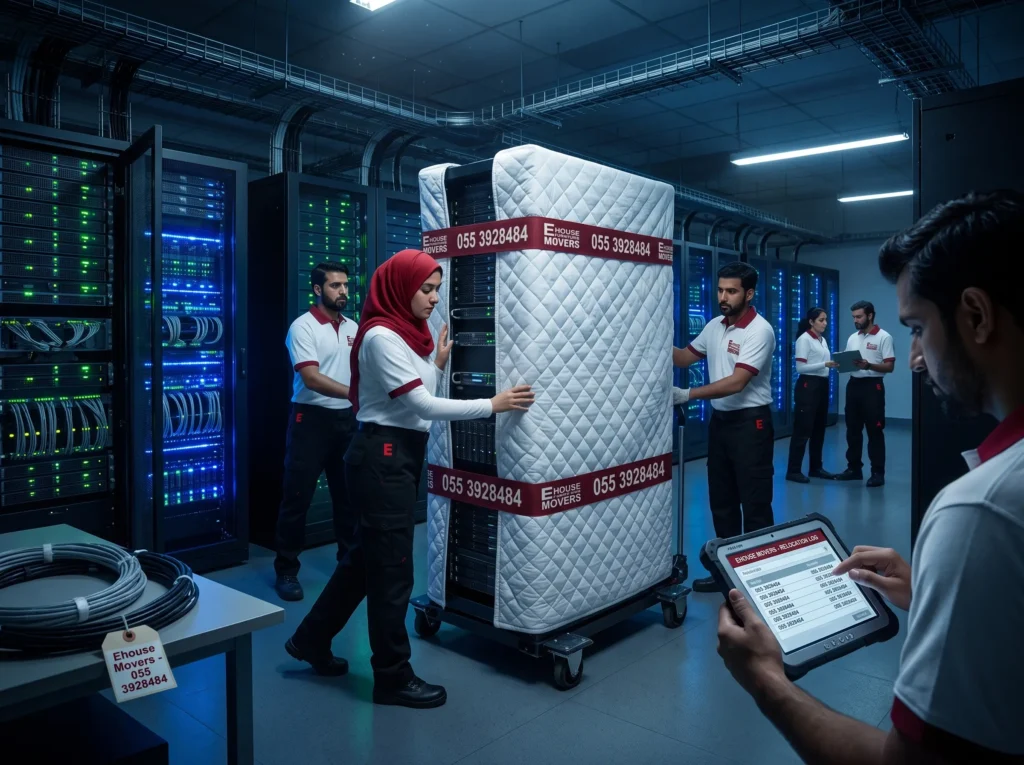
ويشمل نقل غرفة الخواديم الفصل الكامل، والنقل، وإعادة ربط الهياكل الأساسية للبيانات النشطة أو غير النشطة التي تشمل فئات متعددة من المعدات وتتطلب تسلسلا تشغيليا دقيقا. وخلافاً للانتقالات القياسية للمكاتب التي تنطوي على الحد الأدنى من المخاطر، فإن تحركات غرفة الخواديم تترتب عليها آثار تشغيلية ومالية وأمنية على البيانات إذا أساءت معالجتها.
روت Attributes Defining Server Room Relocations
وتحتوي غرف السيرفر على نظم مترابطة يعتمد فيها كل عنصر على عناصر أخرى للعمل. وتشمل غرفة الخادم النموذجية ما يلي: خواديم (المضيفون الفيزيائيون الذين يديرون تطبيقات أو قواعد بيانات)، ومفاتيح الشبكة (تسيير حركة مرور البيانات)، وموجهات (الربط بالشبكات الخارجية)، و جدران نارية (الحماية من الوصول غير المأذون به)، ونظم الاتحاد البريدي العالمي (توفير دعم البطاريات أثناء فقدان الطاقة)، وألواح الوصل (تنظيم وصلات الكابلات)، والضوابط البيئية (رصد درجة الحرارة والرطوبة).
Rare Attributes Making Server Room Relocations Complex
- حساسية وقت العمل: ويعمل العديد من الشركات خادمات باستمرار. وحتى عمليات النقل المخطط لها تتطلب وضع جدول زمني دقيق لتجنب فقدان الإيرادات أو أثر العملاء.
- الاعتماد على الوثائق القابلة للتداول: وغرف السيرفر كثيرا ما تحتوي على مئات الكابلات الشبكية وكابلات الطاقة. ويؤدي التحلل أثناء وقف التشغيل إلى حدوث أخطاء في إعادة الربط تمنع النظم من العمل.
- الترابط بين البائعين: وكثيرا ما يحتفظ موردو الشبكات، وموردو الخدمات البريدية، وبائعو البرمجيات بتشكيلات نظامية محددة. فمشاركتهم في التخطيط لإعادة التوطين يحول دون عدم التوافق بين قضايا ما بعد التحرك.
- حساسية البيانات: يخزن الخادم معلومات مهمة وسرية ويجب أن تحمي إجراءات إعادة التوزيع من التعرض للبيانات أو الفساد أو الوصول غير المأذون به.
Unique Attributes of Dubai-Specific Server Room Relocations
- درجات الحرارة المحيطة القصوى: وتتجاوز درجات الحرارة الصيفية في دبي 50 درجة مئوية (122 درجة مئوية). ويجب أن تحافظ مركبات النقل على مراقبة المناخ من أجل منع إلحاق أضرار بالمعدات.
- تفاوت شديد في الرطوبة: وتؤدي تقلبات الرطوبة الموسمية إلى مخاطر التصريف الكهربائي. البروتوكولات المضادة للإحصائيات غير قابلة للتفاوض بشأن تحركات دبي.
- متطلبات الامتثال التنظيمي: أعمال دبي تقع تحت قانون حماية البيانات (القانون رقم 5 لعام 2020) والأنظمة الخاصة بالصناعة (المصرف، الرعاية الصحية، الاتصالات السلكية واللاسلكية). ويجب أن توثق إجراءات إعادة التوزيع الامتثال لهذه الأطر. التحقق من متطلبات الامتثال لدى الهيئة التنظيمية ذات الصلة قبل الشروع في إعادة التوطين.
لِمَ المُعالجة المُتخصصة أمر حاسم
وهناك مكتب موحد يتعامل مع الخواديم على أنها شحن عام يخلق نقاط فشل متعددة. يمكن للمعدات أن تجرب: الضرر الفيزيائي الناجم عن التحميل غير السليم، والضرر الحراري الناجم عن ارتفاع درجات الحرارة أثناء المرور العابر، والضرر الكهربائي الناجم عن التصريف الكهروستانتي، والتشويش الكابلي الناجم عن التوسيم غير المنظم، ومدد وقت التعطل عن التأخر في إعادة الاتصال.
ويقوم ناقلو غرفة الخواديم المتخصصة بتنفيذ تدابير وقائية غير متاحة للشركات المتحركة ذات الأغراض العامة: محطات العمل المضادة للدائنات، ومركبات النقل التي تخضع لضوابط مناخية، ووثائق ملتقطة قبل إطلاق النار، ووقف تشغيل التقنيين، واختبار نظام ما بعد التركيب قبل تشغيل الخادم.
تخطيط ما قبل إعادة التوزيع: كيف تستعد لإعادة توزيع الغرف؟
ويحدّد تخطيط ما قبل إعادة التوزيع نجاح النقل من خلال توثيق تشكيلات النظم، وتقييم المخاطر، وتحديد مواعيد تنسيق البائعين قبل حدوث أي حركة مادية. وتنطوي هذه المرحلة على خمسة أنشطة حاسمة هي: وضع قائمة جرد شاملة للمعدات، واتخاذ طلقات تفصيلية للنظام، ووضع جدول زمني لمشاورات البائعين، وتقييم الاستعداد الجديد للهياكل الأساسية للمرافق، ووضع خطة للطوارئ المتجددة.
ما هو نظام "سنابشوت" ولماذا يجب أن تخلق واحداً قبل الإنسحاب؟
والتصوير المقطعي للنظام هو تسجيل رقمي مفصّل لتشكيل كل خادم، بما في ذلك نسخ نظام التشغيل، والتطبيقات المركبة، والشبكات، وتوزيع التخزين، وتصاريح المستعملين—أسر قبل أن يتم تشغيل أي معدات أو قطعها. وتُستخدم الطلقات الاصطناعية كمرجع للاستعادة إذا حدثت أخطاء في التشكيل أثناء إعادة الإنشاء أو إذا كانت اختبارات نظام ما بعد التحرك تحدد التكوينات المفقودة.
وتقتضي وثائق الاختبار ما يلي:
- طلقات نارية من آلة تصويرية من أجل البيئات الافتراضية، استيلاء على الوضع الدقيق لنظم تشغيل الضيوف التي تعمل على مضيفين ماديين
- تشكيلة الصادرات من مرشدين ومفاتيح، وتوثيق عناوين IP، ومواقع شبكة VLAN، وقوائم مراقبة الدخول (قواعد جدران إطلاق النار)
- تقارير عن حالة البطاريات بيان صحة البطاريات، والنسبة المئوية للكميات، ودورات التصريف الأخيرة
- قوائم جرد نظام التخزين إدراج المجلدات المنطقية، ومخططات التقسيم، وأذون الدخول المسندة
- رسم خرائط التطبيق تحديد أي تطبيقات تتصل بالنظم والنظام الذي يجب أن تستأنف فيه الخدمات ما بعد النقل
- التحقق الاحتياطي التأكد من أن جميع البيانات الحيوية لديها احتياطيات جارية مخزنة بشكل منفصل عن موقع غرفة الخواديم الرئيسية
أخذ طلقات نارية يحمي من فقدان التشكيلة خلال نافذة النقل وإذا أصبحت الكابلات مفصَّلة أو تفشل النظم في استهلال مرحلة ما بعد النقل، فإن التقنيين يترددون على إعادة بناء التشكيلات بسرعة بدلا من محاولة استعادة النظام من الذاكرة.
كيف يجب أن تزيلوا معدات موظفي الخدمة؟
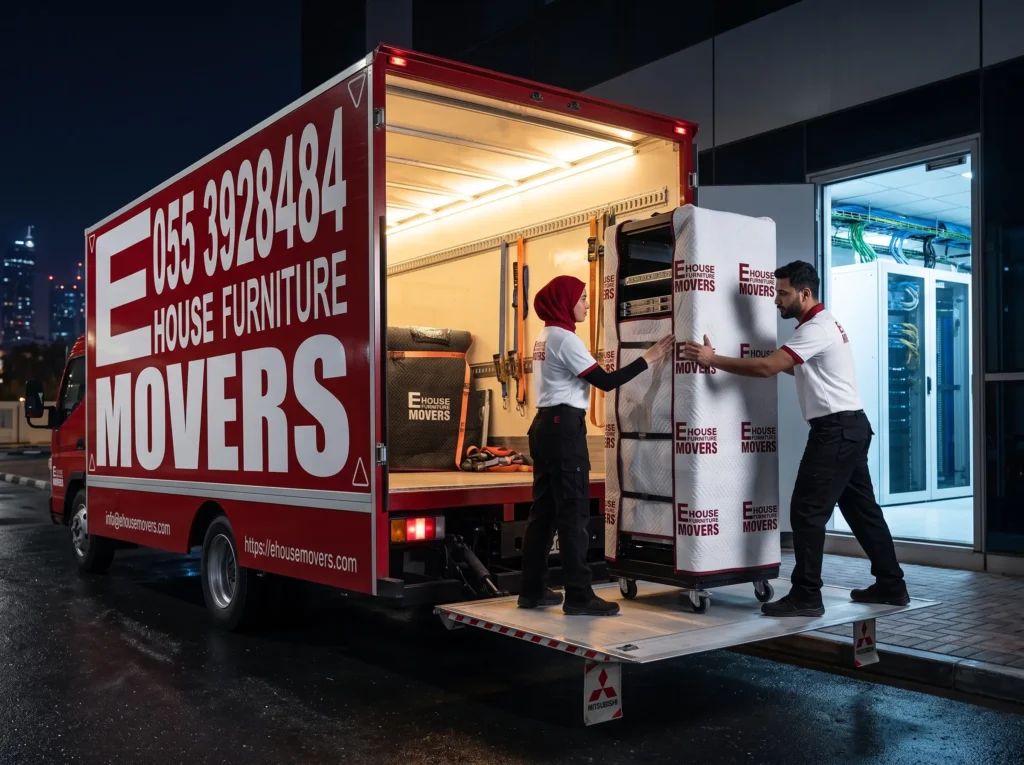
والتوقف عن العمل هو وقف تشغيل الخواديم النشطة أو غير النشطة وفصلها عن العمل، مما يتطلب إجراءات متعاقبة لخفض السلطة، وتحديد الكابلات، والوثائق التنظيمية للحيلولة دون حدوث سوء في التداول أثناء إعادة الإنشاء. ويتسبب وقف التشغيل غير السليم في فقدان البيانات أو تلف المعدات أو عدم القدرة على إعادة ربط النظم بعد إعادة التوزيع.
إجراءات الإيقاف عن العمل
الخطوة 1: إخطار جميع مستخدمي النظام وتطبيقات الإغلاق المقرر.
وكثيراً ما يدير العاملون عمليات خلفية أو يخدمون التطبيقات التي يحصل عليها المستعملون. ويمكن أن يؤدي التوقف المفاجئ عن استخدام الطاقة دون إخطار المستخدمين إلى فقدان البيانات أو تطبيق الفساد.
الخطوة 2: البدء بإغلاق جميع التطبيقات والخدمات بشكل جيد.
ويسمح الإغلاق الرخيص بإغلاق الملفات المفتوحة، وإنقاذ البيانات، والإفراج عن موارد النظام بصورة نظيفة. وتخلق تطبيقات تحديد القوة مخاطر فساد البيانات.
الخطوة 3: بسط نظام التشغيل من خلال إجراءات إغلاق سليمة.
ويضمن استخدام أوامر الخفض عن السلطة (ليس الإنهاء الفعلي لزر القوة) سلامة نظام الملفات.
الخطوة 4: فصل جميع الكابلات الشبكية من الخواديم، والمفاتيح، والموجهات.
قبل ان يقطع الاتصال، يلصق كل كابل مع معلومات المصدر والمقصد (مثلاً، "Server-42 إلى Switch-01 Port-24" وضع العلامات على المكعبات يحول دون حدوث أخطاء في إعادة الربط بعد التحرك.
الخطوة 5: فصل كابلات الإمداد بالطاقة الكهربائية من الخواديم ونظم نظام البريد الإلكتروني.
وتحتفظ نظم الإمداد بالكهرباء بشحنات كهربائية مخزنة حتى عندما يتم تشغيلها. ابعد وحدات الارسال بسلام عن طريق ربطها بالأرض قبل قطع الكابلات
الخطوة 6: توثيق جميع مواقع ومعدات المسارات.
التقط صوراً لموقع الخادم الحالي تبين تسلسل المعدات، وخطوط الكابلات، والعلاقات المكانية. وتعجل الصور بتسلسل إعادة الاستقرار في الموقع الجديد.
الخطوة 7: فصل معدات الخواديم عن الأجهزة المتصاعدة.
تستخدم الرفوف المتحركة على مستوى الصناعة. رطوبة متصاعدة بحذر وحافظ عليها (تأخير تصاعد المعدات في إعادة تركيبها).
الخطوة 8: إعداد المعدات للنقل.
وضع الخواديم في أكياس حماية مضادة للدستور مكونات حساسة (مكيفات الشبكة، وحدات الذاكرة) في المواد المضادة للدستور. تأمين عناصر داخلية فضفاضة (محركات صلبة) لمنع التنقل أثناء النقل.
Special Consideration for Active Systems Requiring Zero-Downtime Relocation
وإذا ما تطلب استمرارية تصريف الأعمال استمرار التشغيل أثناء عملية النقل، فإنها تنفذ نهجا موازيا للهياكل الأساسية. الحفاظ على بيئة الخواديم الثانوية في الموقع الجديد. Migrate user traffic and data to the secondary environment before closingting primary systems. وبعد وصول النظم الأولية إلى الموقع الجديد، فإنها تعمل كهياكل أساسية احتياطية.
ما هي شروط النقل لمعدات مركز البيانات؟
وتتجاوز احتياجات النقل لمعدات الخواديم مناولة الشحن العادية لأن الخواديم حساسة بالنسبة لدرجات الحرارة القصوى، وتقلبات الرطوبة، وضرر الاهتزاز، والتصريف الكهربائي الذي يحدث أثناء المرور العابر. وتخلق مركبات النقل المتخصصة بيئات خاضعة للرقابة تحمي المعدات من المخاطر البيئية والكهربائية.
الحماية المضادة للحطام أثناء النقل
ويتسبب التصريف الكهربي في أضرار غير مرئية في الدوائر الحساسة دون مؤشرات واضحة. ويمكن أن يلحق أي حدث واحد من أنشطة شعبة الخدمات البيئية ضررا باللوحة الأم للخادم، أو وحدة الذاكرة، أو مكيف الشبكة، مما يجعل المعدات غير صالحة للتشغيل أو يسبب إخفاقات متقطعة لا تظهر إلا بعد إعادة الاتصال في الموقع الجديد.
الاحتياجات من الحماية المضادة للدستور:
- طابق ثابت في مركبات النقل تمنع تراكم الشحنات أثناء تحميل المعدات وتفريغها
- السلالات الأرضية المضادة للدستور يرتديها فنيون ينقلون معدات مباشرة إلى الأرض بدلا من الخواديم
- حقائب مضادة للدستور يحتوي كل عنصر من عناصر الخواديم على عزل المعدات من الكهرباء الثابتة المحيطة أثناء النقل
- إجراءات المناولة حيث تظل المكونات المعدنية مثبتة أثناء الحركة
التحقق من الامتثال من جانب الدولة: قبل النقل، ضمان أن تقدم الشركة المتحركة وثائق تؤكد شهادات حماية شعبة خدمات المشاريع (امتثال معياري IO 61340-5-1) ومؤهلات التدريب التقني المضاد للإحصاء Request verification of compliance with international standards from the moving company. For regulatory framework information on transport standards, consult the القواعد التجارية للمركبات.
متطلبات مكافحة المناخ
تعمل معدات السيرفر بصورة موثوقة في حدود درجات حرارة ورطوبة محددة: وتتراوح درجة حرارة التشغيل بين 10 درجات مئوية و35 درجة مئوية (50 درجة شرقاً و95 درجة شرقاً)، والرطوبة النسبية بين 30 في المائة و80 في المائة. وخارج هذه النطاقات، تعاني المعدات من الإجهاد الحراري الذي يتسبب في فشل عنصري سابق لأوانه.
وتخلق بيئة دبي المحيطة تحديات في مجال النقل: وتتجاوز درجات الحرارة الصيفية في مناطق الشحن بالشاحنات القياسية 60 درجة مئوية (140 درجة مئوية) إذا ظلت المركبات ثابتة. وتعاني المعدات التي تتعرض لها هذه درجات الحرارة من أضرار حرارية تتطلب استبدالا باهظ التكلفة.
Climate-controlled transport specifications:
- مركبات نقل مبردة الحفاظ على درجات الحرارة الداخلية بين 18 درجة مئوية و25 درجة مئوية (64 درجة شرقا و77 درجة شرقا) بغض النظر عن درجة الحرارة المحيطة الخارجية
- أجهزة رصد الرطوبة داخل مركبات النقل للتحقق من الامتثال لنطاق الرطوبة النسبي بنسبة 40 في المائة - 60 في المائة خلال الانتقال
- الرصد المستمر مع تسجيلات رقمية توثق درجة الحرارة والرطوبة طوال الرحلة، وتوفر أدلة الامتثال
تكلفة: نقل معدات الخواديم الخاضعة لسيطرة المناخ AED 3,500 to AED 8,000 per server حسب ما يلي:
- السفر (التحركات الطويلة تتطلب المزيد من الوقود والتبريد الموسع)
- عدد الرفوف (تخفض وفورات الحجم التكاليف لكل مسار بالنسبة لعمليات النقل المتعددة المسارات)
- حساسية المعدات (الخدمات القديمة ذات الإدارة الحرارية المتدهورة تتطلب رقابة أشد على درجة الحرارة)
- وقت السنة (الانتقالات الصيفية التي تتطلب تكاليف التبريد القصوى أكثر من إعادة التوطين في الشتاء)
للاطلاع على تحليل تفصيلي للتكاليف يقارن نقل غرفة الخواديم مع خدمات نقل المكاتب الأخرى، انظر دليل تسعير كامل لمحركي المكاتب في دبي 2026التي تكسر تكاليف النقل والعمل والمواد حسب فئة الخدمة
كيف يجب أن تنسق مع شركاء (فيندور) أثناء إعادة التوزيع؟
وينطوي تنسيق شؤون البائعين على الاتصال بمقدمي التكنولوجيا المسؤولين عن الهياكل الأساسية للشبكات، ونظم الطاقة، والتواصل من أجل تحديد مواعيد مشاركتهم في عملية إعادة التوطين والتحقق من التوافق فيما بعد التحرك. ويضم البائعون مقدمي خدمات الشبكة، وموردي الخدمات البريدية الموحدة، ومقدمي نظم الأمن، وموردي البرامجيات.
الأنشطة الرئيسية لتنسيق شؤون البائعين
تنسيق خدمات الشبكة:
اتصل بمقدم خدمات الإنترنت الخاص بك قبل 4 أسابيع على الأقل من تاريخ الانتقال. وتقتضي الاستراتيجية إشعاراً مسبقاً بما يلي:
- التحقق من أن وصلة الشبكة متاحة في الموقع الجديد
- تقنيو الجداول لقطع وصلات الشبكات الخارجية وإعادة ربطها
- التأكيد على أن متطلبات النطاق الترددي مدعومة في المرفق الجديد
- تقييم ما إذا كانت هناك حاجة إلى هياكل أساسية جديدة لكوابل السيارات إذا ما غيّر مخطط غرفة الخواديم الجديد من التلويث الشبكي
مشاورة بائعي البريد:
وتعد نظم خدمات البريد الالكتروني معدات احتياطية متخصصة للطاقة. يجب على بائعي البريد أن يتحققوا مما يلي:
- سن البطاريات وصحة البطاريات (تردي البطاريات بمرور الوقت وقد تتطلب استبدالها)
- ما إذا كان الفريق الكهربائي للمرفق الجديد يتمتع بالقدرة الكافية على نظام البريد الالكتروني
- الاحتياجات من القدرة على التوريد على أساس الاستهلاك الكلي لطاقة الخواديم
- الظروف البيئية في غرفة الخواديم الجديدة التي تدعم طول البطاريات
مشاركة البائعين في مراقبة الأمن والوصول:
وفي حالة قيام الخواديم بتخزين البيانات التي تحميها أنظمة الصناعة (المصرف، الرعاية الصحية)، يجب على البائعين الأمنيين التحقق من أن إجراءات النقل تحافظ على الامتثال لمتطلبات حماية البيانات وأن ضوابط الدخول لا تزال سارية بعد إعادة التوزيع.
الاتصالات المتصاعدة لكل بائع: وقبل الانتقال، الحصول على معلومات الاتصال المباشر لفريق الدعم التقني لكل بائع. وخلال عملية النقل، كثيرا ما تنشأ مسائل تتطلب مساعدة فورية من البائعين. فالاتصالات المتعلقة بالتصعيد تتيح حل المشاكل بسرعة بدلاً من انتظار قنوات الدعم المعتادة لساعات العمل.
كيف يدير (سيرفر راك) إعادة التركيب في الموقع الجديد؟
وإعادة تركيب مسارات سيرفر هي العملية المنتظمة لمعدات تحديد المواقع في غرفة الخواديم الجديدة، واستعادة الاتصالات المادية، وتشغيل نظام الاختبار، والارتقاء تدريجيا بالنظم على شبكة الإنترنت مع رصد الأخطاء. وتتراوح هذه المرحلة بين يومين وخمسة أيام تبعا لتعقد الهياكل الأساسية وعدد النظم التي يجري نقلها.
الإعداد قبل التركيب في الموقع الجديد
الإعداد المادي:
قبل وصول المعدات، إعداد غرفة الخادم الجديدة مع:
- موقع راك وفقا لمخطط المرفق (تأكيد المباعدة الزمنية الكافية للتداول الجوي)
- وصلة وحدة توزيع السلطة توفير منافذ كهربائية للخواديم ونظم التبريد
- الهياكل الأساسية لحصر الشبكات routing from the server room to the network core and external ISP connection
- نظم الرصد البيئي (أجهزة استشعار الحرارة والرطوبة) التي تؤكد أن الرقابة على المناخ في المرفق تعمل في حدود المواصفات
- التحقق من إمكانية الوصول إلى الأمن تأكيد أن ضوابط الدخول المادي لا تسمح إلا للأفراد المأذون لهم
اختبار الاستعداد للهياكل الأساسية:
قبل إعادة ربط المعدات، اختبار:
- الطاقة الكهربائية عن طريق تشغيل حمولات مؤقتة للتحقق من الدوائر تقدم طليعة مستقرة بدون رحلات للكسر
- الربط الشبكي عن طريق اختبار قدرة جهاز اختبار على الاتصال عن طريق الهياكل الأساسية للشبكة
- الاستقرار البيئي عن طريق إدارة مراقبة المناخ في المرافق لمدة 24 ساعة، وتأكيد درجة الحرارة والرطوبة، لا تزال في نطاقات التشغيل
التركيب والنظام
وضع المعدات: وباستخدام الصور الملتقطة أثناء التوقف عن العمل، فإن خواديم المواقع في نفس التسلسل والترتيب الذي كان عليه الموقع الأصلي. ويعجل هذا المألوف من التسبب في متاعب فنيين إذا ما حدثت مسائل ما بعد النقل.
وصلة السلطة: Connect servers to PDUs in the same sequence as the original formation. توقيت كهربي للحيلولة دون الطفرة الكهربائية التي تكسر دائرة الرحلات عندما تعمل جميع الخواديم في وقت واحد.
:: إعادة ربط كابلات الشبكة: وباستخدام بطاقات الكابلات التي أنشئت أثناء وقف التشغيل، إعادة ربط الكابلات الشبكية في شكلها الأصلي. التحقق من كل وصلة سلكية من خلال التحقق من مؤشرات الشبكة على المفاتيح والخواديم.
وصلة النظام واختباره: ربط نظم خدمات الاتصالات السلكية واللاسلكية بالهياكل الأساسية للشبكة والخواديم. اختبار قدرة النظام البريدي العالمي عن طريق التحقق من التشغيل الاحتياطي للبطاريات (تحفيز فقدان الطاقة لفترة قصيرة للتأكد من أن النظام يعمل ويحافظ على القدرة على المعدات ذات الصلة).
تنسيق شؤون البائعين خلال عملية التحضر: وجود بائعين للشبكات، وبائعي خدمات البريد، وبائعي الأمن عندما يتم تشغيل النظم لأول مرة في الموقع الجديد. وخبرتها التقنية تمكّن من التوصل إلى حل سريع إذا لم تشرع النظم في البدء.
الاختبار والتحقق بعد التركيب
اختبار أداء النظام: السلطة على كل خادم والتحقق:
- أحذية نظام التشغيل بنجاح
- All connected storage appears available to the operating system
- يمكن لمهام ونظم الربط الشبكي بالشبكات التواصل مع خواديم أخرى
- وظائف التكامل بين الاتحاد البريدي العالمي بشكل صحيح (الشحن بالبطارية، حالة البطارية)
اختبار التشغيل التطبيقي: بعد التحقق من معدات الخواديم، اختبار التطبيقات الحيوية:
- الطلبات الواردة في البداية صحيحة بعد إعادة تشغيل الخادم
- نظم قواعد البيانات التي تربط بين التخزين وخدمة البيانات بشكل صحيح
- تشغيل تصاريح دخول المستعملين على النحو الموثق في طلقات النظام
- نظم الدعم تربط وتؤدّي الدعم الاختباري بنجاح
الرصد وإعادة الشحن التدريجي: وبعد إجراء الاختبارات الأولية، يُعاد وصول المستخدمين إلى حركة المرور وتطبيقها تدريجياً بدلاً من كل شيء في آن واحد. فالإعادة التدريجية تسمح لأفرقة العمليات بتحديد وحل المسائل دون التسبب في اضطراب مفاجئ في الأعمال التجارية.
الوثائق والتوقيع: بعد أن تعمل النظم بنجاح لمدة 48 ساعة دون أخطاء، تعد تقريرا عن إتمام عملية النقل يوثق:
- حالة وصول المعدات وأي ضرر
- نتائج الاختبار التي تؤكد جميع وظائف النظم
- التحقق من المصادقة على التسويق
- توقيعات البائعين تؤكد أن عناصرهم تعمل بشكل صحيح
ما هي مصانع التكاليف والتسعير لنقل غرفة السيرفر في دبي؟
وتعكس تكاليف نقل غرف السيرفر عناصر خدمات متعددة: النقل المتخصص (المركبات التي تسيطر عليها الخلايا)، والعمل التقني (مهنيات تكنولوجيا المعلومات المهرة)، ومواد حماية المعدات (التغليف المستمر)، والوثائق والاختبارات، وتنسيق شؤون البائعين. طباعة مجموعة نموذجية من عمليات نقل الموظفين من المكاتب المتوسطة الحجم AED 3,500 to AED 8,000 per server حسب العوامل المبينة أدناه.
عناصر التكلفة
تكاليف النقل )٥٠٠ ١-٠٠٠ ٣ دولار للرف الواحد(:
النقل المتحكم فيه بالمناخ لرف خادم واحد يحتوي على تكاليف 4-6 خواديم AED 1,500-3,000 حسب ما يلي:
- المسافة بين المواقع (التنقلات القصيرة الأجل في دوباي تكلف أقل من التحركات عبر الحدود)
- درجة الحرارة المحيطة أثناء الحركة (التحركات الصيفية التي تتطلب تكاليف التبريد القصوى)
- استخدام المركبات (التحركات المخصَّصة ذات المسار الواحد تُكلَّف أكثر من التوحيد الكامل للشاحنات من العملاء المتعددين)
العمل التقني )٠٠٢ ١-٢٠٠٥ ٢ لكل رف(:
التقنيون الماهرون الذين يقومون بإيقاف التشغيل، والإشراف على النقل، وشحنة إعادة الاستقرار AED 1,200-2,500 per rack بالنسبة لدورة الخدمات الكاملة )التي تمتد عادة من ٣ إلى ٤ أيام(:
- العمالة المغلقة: 400-600
- تنسيق النقل والإشراف عليه: ٠٠٣-٠٠٥
- عمالة التركيب في موقع جديد: 500-1400 1 دينار عراقي (أعلى للتشكيلات المعقدة)
حماية المعدات وتغليفها )٣٠٠-٥٠٠ لكل رف(:
المواد المتخصصة المضادة للدستور، والتمريض الواقي، وإدارة الكابلات، وتكاليف لوازم الوثائق AED 300-500 per rack:
- أكياس مضادة للإحصائيات ومواد أرضية: AED 100-150
- تمهيد الحماية ولفها: AED 100-150
- Cable labeling, documentation, and organization supplies: AED 100-200
التوثيق والاختبار وتنسيق شؤون البائعين (AED 500-000 1 في الرف):
:: إنشاء طلقات نظامية، والتخطيط والاختبارات السابقة للتحرك، والتنسيق مع شركاء البائعين AED 500-1,000 per rack:
- إنشاء وتوثيق مفرقعات نظامية:
- التخطيط وتقييم المخاطر في مرحلة ما قبل الحركة:
- الاختبار والتحقق بعد التركيب: AED 150-300
- الجدول الزمني لدعم تنسيق شؤون البائعين وتصعيدهم: 100-200
مجموع مقتطفات التكاليف: إعادة توزيع المكاتب في منتصف المدة
مكتب متوسط الحجم 3 رفوف خواديم )١٢-١٨ خادوما( تنقل داخل دبي:
- تكلفة النقل: ٣ رفوف × ٠٠٠ ٢ درنا محمول = AED 6,000
- Technician labor x 3 racks ED 1,800 = AED 400 5
- حماية المعدات: 3 رفوف × 400 ED = AED 1,200
- الوثائق والاختبارات: ٣ رفوف × ٧٥٠ ED = AED 2,250
- مجموع تكاليف النقل: 850 14 ديناراً عراقياً (تقريبا) AED 4,950 per rack)
وإذا كان النقل يتطلب حدا أدنى من الهياكل الأساسية الجديدة أو تنسيق شؤون البائعين، فإن التكاليف تقترب من النطاق الأدنى. وإذا كان النقل يتطلب تخطيطا واسعا، أو تنسيقا متعدد الأطراف، أو مناولة متخصصة، فإن التكاليف تقترب من النطاق الأعلى.
What Safety and Compliance requirements Govern Server Room Relocation in Dubai?
وتستمد متطلبات السلامة والامتثال لنقل غرف الخواديم في دبي من ثلاثة مصادر هي: أنظمة حماية البيانات في الإمارات العربية المتحدة، والمعايير الأمنية الخاصة بالصناعة، ومتطلبات السلامة المهنية للفنيين الذين يتعاملون مع المعدات الكهربائية والإلكترونية.
UAE Protection and Regulatory Compliance
قانون حماية البيانات في دبي (القانون رقم 5 لعام 2020) يتطلب ما يلي:
- ويجب على مؤسسات الأعمال أن تحمي البيانات الشخصية والمعلومات السرية أثناء أي نقل للهياكل الأساسية
- لا يجب أن تُعرِّض إجراءات إعادة التوزيع البيانات عن الدخول غير المأذون به أو الفساد
- ويجب على الشركات أن توثق أن البيانات لا تزال آمنة طوال عملية إعادة التوطين
ويجب على ناقلي المكاتب الذين يديرون عمليات نقل الخواديم أن يؤكدوا فهمهم لهذه المتطلبات وأن ينفذوا الإجراءات التي تحمي سرية البيانات أثناء الانتقال. التحقق من وثائق الامتثال من الشركات المتحركة قبل الاستعانة بخدماتها. للاطلاع على التوجيه التنظيمي الرسمي، يرجى الرجوع إلى GDRFA (General Directorate of Residency and Foreigners Affairs) business compliance gate من أجل حماية البيانات والتحقق من تنظيم الأعمال.
الامتثال الخاص بالصناعة (المصرف، الرعاية الصحية، الاتصالات السلكية واللاسلكية):
وفي حالة قيام الخواديم بتخزين البيانات المالية (البنوك)، أو السجلات الصحية (مقدمي الرعاية الصحية)، أو الهياكل الأساسية للاتصالات السلكية واللاسلكية، تضيف الأنظمة الخاصة بالصناعة متطلبات أمنية:
- الأعمال المصرفية: تشترط لوائح المصرف المركزي في الإمارات العربية المتحدة عدم انقطاع عمليات نقل الخواديم عن المعاملات المالية
- الرعاية الصحية: تشترط لوائح وزارة الصحة في الولايات المتحدة تخزين البيانات المشفرة ومناولة المعدات الآمنة
- الاتصالات السلكية واللاسلكية: الاحتياجات من خدمات التدريب (الهيئة التنظيمية للاتصالات) ضمان سلامة الهياكل الأساسية للشبكات
متطلبات السلامة المهنية
ويعمل التقنيون الذين يتعاملون مع الخواديم بمعدات كهربائية وحمولات ثقيلة. متطلبات السلامة المهنية لكل UAE Labor Law تشمل:
- السلامة الكهربائية: يجب على التقنيين أن يستخدموا الإجراءات المناسبة لتحديد المواقع وتجنب مخاطر الصدمات الكهربائية
- المناولة اليدوية: وسائل الرفع السليم تمنع الإصابات بالذخير عند نقل معدات الخواديم الثقيلة
- معدات الحماية الشخصية: قطع المعصم المضادة للدستور، نظارات الأمان، وقفازات مقاومة للقطع تحمي التقنيين
التحقق من أن شركة النقل التابعة للمكتب تقدم وثائق تؤكد شهادات السلامة التقنية وأن جميع الموظفين يرتدون معدات الحماية الشخصية اللازمة أثناء عملية النقل. القنصل MOHRE (Ministry of Human Resources and Emiratisation) معايير السلامة المهنية الرسمية.
Environmental and Waste Management Compliance
وقد تتطلب معدات الخواديم القديمة أو غير العاملة التخلص السليم منها. UAE Environmental regulations (Federal Law No. 24 of 1999 on environmental protection) يتطلب ما يلي:
- التخلص من النفايات الإلكترونية (النفايات الإلكترونية) التي تحتوي على مواد خطرة من خلال مرافق مرخصة
- تم فصل المعدات التي تحتوي على مواد قابلة لإعادة التدوير
- تم توثيق التصريف وتتبعه
إذا كان نقلك ينطوي على إزالة المعدات القديمة، تأكيد أن شركاء الشركة المتحركة مع مرافق التخلص من النفايات الإلكترونية المرخصة. الاتصال DEWA (Dubai Electricity and Water Authority) أو بلدية دبي (ج) توجيه بشأن متطلبات التخلص من النفايات الإلكترونية في دبي.
ما هي المخاطر المشتركة في نقل غرفة سيرفر وكيف هي تخفيف؟
وتشمل المخاطر المشتركة في نقل غرف الخواديم الأضرار التي لحقت بالمعدات، وفقدان البيانات، وطول فترات التوقف، والخروقات الأمنية. وتخفض استراتيجيات التخفيف هذه المخاطر إلى مستويات مقبولة.
مخاطر الأضرار الناجمة عن المعدات وتخفيفها
المخاطر: أضرار مادية أثناء النقل، أو تلف حراري من درجة الحرارة القصوى، أو التصريف الكهروستاتي الذي يجعل الخواديم غير صالحة للاستخدام بعد نقلها.
التخفيف:
- وثائق حالة المعدات السابقة للتحرك (الرسوم البيانية ومذكرات التفتيش التفصيلية)
- النقل الذي يتحكم فيه المناخ ويحافظ على درجة حرارة صارمة وعلى الرطوبة
- :: حماية التكنولوجيا التطبيقية مع التقنيين المعتمدين والامتثال الموثق لمعايير التنمية الاقتصادية
- تغطية التأمين التي توثق مسؤولية الشركة المتحركة عن أضرار المعدات
فقدان البيانات ومخاطر الفساد
المخاطر: ويفشل العاملون في إعادة ربط مواقع ما بعد النقل بسبب سوء التداول بالكابلات، أو تفسد البيانات إذا ما تم تشغيل النظم قبل أن يتم ربط كميات التخزين على نحو سليم.
التخفيف:
- طلقات نظامية مفصّلة مسبوقة قبل وقف التشغيل
- دعم شامل لجميع البيانات الحيوية المخزنة في موقع منفصل
- تحديد وعلامات المواصفات ووضع خريطة مرجعية لإعادة الربط
- إقامة نظام تدريجي مع إجراء اختبارات فيما بين كل مرحلة، ومنع الإخفاقات الناجمة عن سوء تفاهم واحد
مخاطر استمرارية العمل
المخاطر: :: عدم توافر نظام موسع إذا كان التركيب في الموقع الجديد يواجه مسائل غير متوقعة.
التخفيف:
- تخطيط شامل قبل التحرك يحدد المسائل المحتملة قبل حدوثها
- نهج الهياكل الأساسية الموازية الذي يتيح استمرارية تصريف الأعمال خلال نافذة النقل
- التقنيون ذوو الخبرة وتنسيق شؤون البائعين مما يتيح حل القضايا بسرعة
- خطط الطوارئ للعودة إلى الموقع الأصلي إذا حدثت إخفاقات خطيرة في المرفق الجديد
مخاطر الأمن وخصوصية البيانات
المخاطر: Unauthorized access to sensitive data during the relocation window, or failure to comply with data protection regulations.
التخفيف:
- الأمن المادي أثناء النقل (المركبات المقفلة، والأفراد المأذون بهم فقط)
- تشفير البيانات عن جميع المعدات أثناء المرور العابر
- تعقّب وثائق تسلسل العملاء حيث توجد المعدات في جميع أنحاء الموقع
- التحقق من الامتثال لمتطلبات حماية البيانات قبل الانتقال وأثناءه وبعده
- :: تنسيق شؤون البائعين لضمان قيام أطراف ثالثة (شركات دعم التنفيذ، ومقدمو الخدمات البريدية الموحدة) بصيانة بروتوكولات أمن البيانات
كيف تختار محرك مكتب لغرفة خدمة نقلك؟
ويتطلب اختيار محرك مكتب لنقل غرفة الخواديم معايير مختلفة عن المعايير الموحدة التي يحركها البائعون. ويتبين من تحركات غرف الخواديم المتخصصة وجود خبرات وقدرات تشغيلية محددة تفتقر إليها شركات النقل ذات الأغراض العامة.
المؤهلات الأساسية لشركات نقل الغرف
التصديق التقني:
التحقق من أن الشركة المتحركة (أو تقنييها المتعاقدين) لديها شهادات في:
- ESD (Electrostatic Discharge) مناولة وفقاً لمعايير المنظمة الدولية لتوحيد المقاييس
- نقل معدات تكنولوجيا المعلومات عن طريق هيئات صناعية مثل شركة CompTIA أو ما يعادلها
- وثائق تفويض الشركاء (الشركاء المأذونون لمصنعي المعدات الرئيسية)
المعدات واستثمارات المرافق:
التأكد من أن الشركة المتحركة تعمل
- مركبات نقل خاضعة لسيطرة المناخ الرصد المستمر لدرجات الحرارة والرطوبة
- محطات العمل المناهضة للإحصاء إعداد المعدات وحزمها
- معدات مناولة متخصصة مثل أجهزة رفع الخواديم وأدوات إدارة الكابلات
الخبرة والمراجع:
طلبات محددة غرفة الخواديم أو مركز البيانات اكتملت خلال الاثني عشر شهرا الماضية إشارات الاتصال مباشرة للتحقق من:
- تحقيق صفر من وقت التعطل أو تحديد أهداف موثقة للانتعاش
- أضرار المعدات وحوادث الخسارة أثناء النقل
- استجابة تنسيق البائعين أثناء الحركة
- استقرار نظام ما بعد النقل دون أخطاء في التشكيل
تغطية التأمين والمسؤولية:
تأكد أن الشركة المتحركة تحمل:
- التأمين ضد المعدات تغطية أضرار الخادم أو الخسارة بحدود مطابقة لقيمة معداتك
- التأمين ضد الإخلال بالبيانات الحماية من الوصول غير المأذون به إلى البيانات أثناء النقل
- تأمين التعويض المهني تغطية الإخفاقات في الوفاء بالالتزامات التعاقدية
العلم الأحمر
القضاء على الشركات المتحركة التي:
- عدم وجود تدريب أو شهادات موثقة في مجال التنمية المستدامة
- لا تعمل مركبات نقل خاضعة لسيطرة المناخ
- Cannot provide server relocation references from the past 12 months
- عرض معدلات العمل بالساعة فقط دون تسعير محدد (منع إمكانية التنبؤ بالتكاليف)
- لا يمكن تفسير التفاصيل التقنية لإجراءات وقف تشغيلها أو إعادة تركيبها
- لا تقدم تغطية تأمين مطابقة لقيمة معداتك
للاطلاع على توجيهات شاملة بشأن تقييم واختيار البائعين المتنقلين في المكاتب، يرجى الرجوع إلى إطار تقييم مفصل للبائعين ومعايير تقييم 12 نقطة لضمان أن يفي محرك غرفة الخادم بكل المؤهلات اللازمة قبل الإرتباط
بنود التوقيت في السياق
وغالباً ما تحدث عمليات نقل غرف الموظفين في إطار مشاريع أوسع نطاقاً لنقل المكاتب. التفاهم الجداول الزمنية لنقل المكاتب حسب حجم المكاتب ويساعد على تنسيق تحركات غرفة الخواديم مع نقل الأثاث، وإنشاء أماكن العمل، وعمليات انتقال الموظفين. ويكفل تخطيط الجدول الزمني السليم تشغيل نظم الخواديم عند وصول الموظفين إلى الموقع الجديد، مما يحول دون فقدان الإنتاجية والحفاظ على استمرارية تصريف الأعمال.
الاخت الصفحة
ويشكل نقل معدات تكنولوجيا المعلومات فئة أوسع تشمل حركة أي تكنولوجيا تجارية تشمل محطات العمل والطابعات ونظم الهاتف والهياكل الأساسية للشبكة. ونقل غرف الموظفين هو مجموعة فرعية متخصصة من معدات تكنولوجيا المعلومات التي تعالج فقط الهياكل الأساسية لمركز البيانات الحرجة للبعثات.
Distinctions between IT equipment relocation and server room relocation:
وكثيراً ما يتيح نقل معدات تكنولوجيا المعلومات تعطيل مؤقت (تعطل العمل لساعات في الوقت الذي يجري فيه نقلها لا يؤدي إلى مخاطر تجارية). وتقليص الطلب على نقل غرف السيرفر إلى أدنى حد ممكن من التعطل (قد يؤدي الخادمون الذين لا يعملون لساعات إلى فقدان المعاملات، أو فشل الاتصالات بين المستخدمين، أو الفشل في السلاسل التعاقبية في التطبيقات المعالِمة).
ويتطلب نقل معدات تكنولوجيا المعلومات التغليف العادي والنقل. ويتطلب نقل غرف السيرفر مناولة معادية للوضع، ومراقبة المناخ، والوثائق التقنية، وتنسيق شؤون البائعين.
وللحصول على مزيد من المعلومات عن المناولة الأوسع لمعدات تكنولوجيا المعلومات، انظر دليل نقل معدات تكنولوجيا المعلومات الذي يغطي محطات العمل، ومعدات الربط الشبكي، والأجهزة المحيطة.
Summary: Complete Server Room Relocation Framework
ويعالج نقل غرف السيرفر من جانب ناقلي المكاتب المتخصصين الخطر البالغ الذي ينطوي عليه فقدان البيانات، وضرر المعدات، وتأخر العمل عند نقل الهياكل الأساسية لتكنولوجيا المعلومات ذات الأهمية الحاسمة للبعثة. وتشمل هذه العملية أربع مراحل: تخطيط ما قبل إعادة التوزيع (توثيق النظم وتنسيق شؤون البائعين)، ووقف التشغيل الآمن (إغلاق السفن وإدارة الكابلات الخاضعة للمراقبة)، والنقل المتحكم فيه بالمناخ (الحركة من حيث الحالة ودرجة الحرارة)، وإعادة التركيب المنهجي (التنسيب، والاختبار، وإعادة العمل تدريجيا).
FAQs: Server Room Relocation Common Questions
نقل غرف الخواديم الى مكتب متوسط الحجم )٣-٥ ثكنات خواديم( ٣-٥ أيام عمل ابتداء من وقف التشغيل الأولي من خلال التحقق الكامل من النظام في الموقع الجديد. وقد تتطلب عمليات إعادة التوطين على نطاق واسع )١٠+ المسارات( أسبوعا - ٢ أسبوعا. ويتوقف الخط الزمني على تعقيد الهياكل الأساسية، وتوافر البائعين لأغراض التنسيق، وعدد النظم التي تتطلب اختبارات ما بعد النقل.
نعم، إذا قمت بتنفيذ نهج مواز للبنية التحتية. الحفاظ على بيئة الخواديم الثانوية في الموقع الجديد قبل الانتقال. نقل المستخدمين إلى البيئة الثانوية، ثم نقل النظم الأولية. ويدعم هذا النهج إعادة التوطين على أساس عدم التفرغ، ولكنه يتطلب استثمارا وتنسيقا إضافيا في الهياكل الأساسية.
وإذا لم تكن الهياكل الأساسية الموازية مجدية، فحدد موعد الانتقال خلال الفترات المنخفضة الدخل للتقليل إلى أدنى حد من اضطراب الأعمال
الشركات المتحركة ذات الخبرة وصلات الاتصال طوال عملية النقل ويقيم فنيو الشبكات وصلات مؤقتة باستخدام بؤر ساخنة متنقلة أو وصلات إلكترونية محمولة إذا تم فصل الهياكل الأساسية للشبكة الرئيسية. This prevents complete isolation and enables issue diagnosis if systems fail during the move.
أجل. وكثيراً ما تكون الخواديم القديمة قد تدهورت الإدارة الحرارية، مما يتطلب رقابة أشد صرامة على درجة الحرارة أثناء النقل. كما أن المعدات القديمة تنطوي على مخاطر أكبر من حيث الفشل، مما يتطلب إجراء المزيد من الاختبارات والتحقق بعد إعادة التوزيع. الميزانية ٠٠٥ ٤-٦٠٠ ٤ شلن نمساوي لكل رف بالنسبة لمعدات الخواديم القديمة بالمقارنة مع ٠٠٥ ٣-٠٠٥ ٤ لكل رف للمعدات الحديثة
وينبغي أن يساوي الحد الأدنى للتأمين 100 في المائة من مجموع قيمة المعدات التي يجري نقلها. وإذا نقلت قيمة الخواديم إلى 000 500 دينار جزائري، فإنها تحتاج إلى ما لا يقل عن 000 500 دينار استرليني في تغطية المسؤولية عن المعدات. التحقق من أن بوليصة التأمين تغطي على وجه التحديد أضرار معدات الخواديم وفقدان البيانات (بعض السياسات تستبعد هذه الفئات).
لا، التنظيف مطلوب لسلامة البيانات ومحاولة نقل الخواديم المزودة بالطاقة الكهربائية تخلق مخاطر فساد البيانات والأخطار المادية (الصدمة الكهربائية، وضرر المعدات من الحركة). إغلاق المكان أمر إلزامي بغض النظر عن الجدول الزمني للانتقال
التصديقات الدنيا:
ESD (Electrostatic Discharge) Certification: الامتثال المعياري ISO 61340-5-1
معالجة الهياكل الأساسية لتكنولوجيا المعلومات: وثائق تفويض معترف بها في مجال الصناعة مثل " CompTIA A+ " ، الشبكة + " ، أو ما يعادلها
وثائق تفويض شراكة البائعين: الشراكات المأذون بها مع مصانع المعدات الرئيسية (HPE, Dell, Cisco, etc.)
التصديق على الشهادات لدى الهيئات المصدرة وبدلاً من قبول مطالبات الشركة، حيث أن الاحتيال الإبداعي يحدث أحياناً.
يرجى تقديم إشعار لا يقل عن 4-6 أسابيع. ويتيح هذا الإطار الزمني ما يلي:
التخطيط الشامل قبل التحرك وتقييم المخاطر
التنسيق مع البائعين (ISP, UPS, security integrators) الذين قد يحتاجون إلى جدول زمني مسبق
إنشاء النظام وتوثيقه
اختبار المعدات لتحديد المسائل المحتملة قبل تاريخ الانتقال
جدولة التقنيين والمركبات التي تسيطر على المناخ
Sarmast Baloch is a distinguished content strategist and industry writer with multiple years of specialized expertise in the self storage and residential relocation sector. ويعكس عمله قيادة عميقة لنقل اللوجستيات، والتخزين الأمثل، واستراتيجيات إعادة توطين المستهلكين، مما يؤدي باستمرار إلى توفير محتوى موثوق به ومستند إلى نظرة ثاقبة، مما يسد الفجوة بين معارف الصناعة وصنع القرار كل يوم. وعلى مر السنين، بنى سارماست سمعة قوية لتصميم روايات مدروسة بدقة، ومزودة ببيانات تمكن أصحاب المنازل والمستأجرين والأعمال التجارية من الاقتراب من إعادة التوطين بشكل واضح وثقة. واشتملت مساهماته التحريرية على طائفة واسعة من مواضيع النقل والتخزين، من تحليل التكاليف وتقييم البائعين إلى حلول لوجستيات إدارة الفضاء البعيدة المدى. صوت موثوق به في المشهد المتحرك والتخزين، (سارماست) يجلب مزيجاً نادرًا من التصلب التحليلي والقصّة الميسّرة لكلّ قطعة ينتجها، مما يجعله سلطة قيّمة في (إيهوس موفرز).
إدريس هو متخصص في الخدمات اللوجستية مع التركيز على نقل السكن وكفاءة سلسلة التوريد. مع خبرة واسعة في صناعة النقل ، فهو متخصص في سلامة النقل ، وتقنيات التعبئة المتخصصة للسلع عالية القيمة ، وإدارة الأسطول. وهو مكرس لتبسيط عملية النقل، وضمان التعامل مع كل عملية نقل مع التخطيط الاستراتيجي والرعاية القصوى.