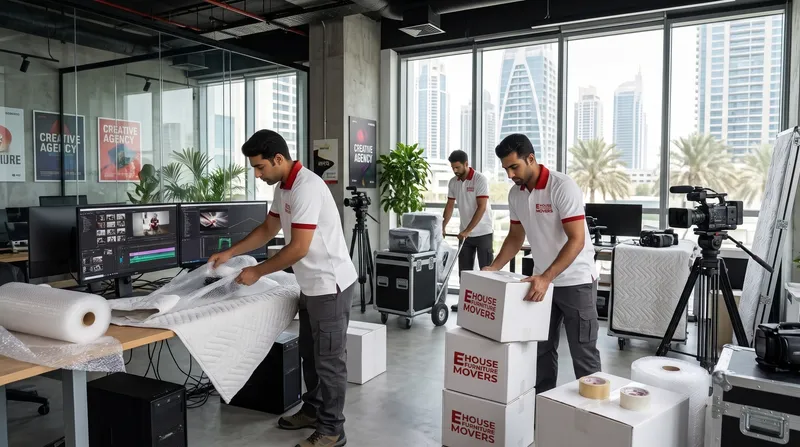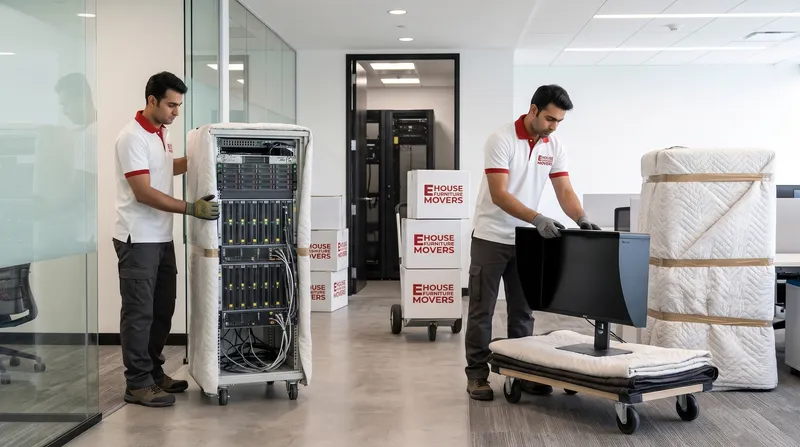
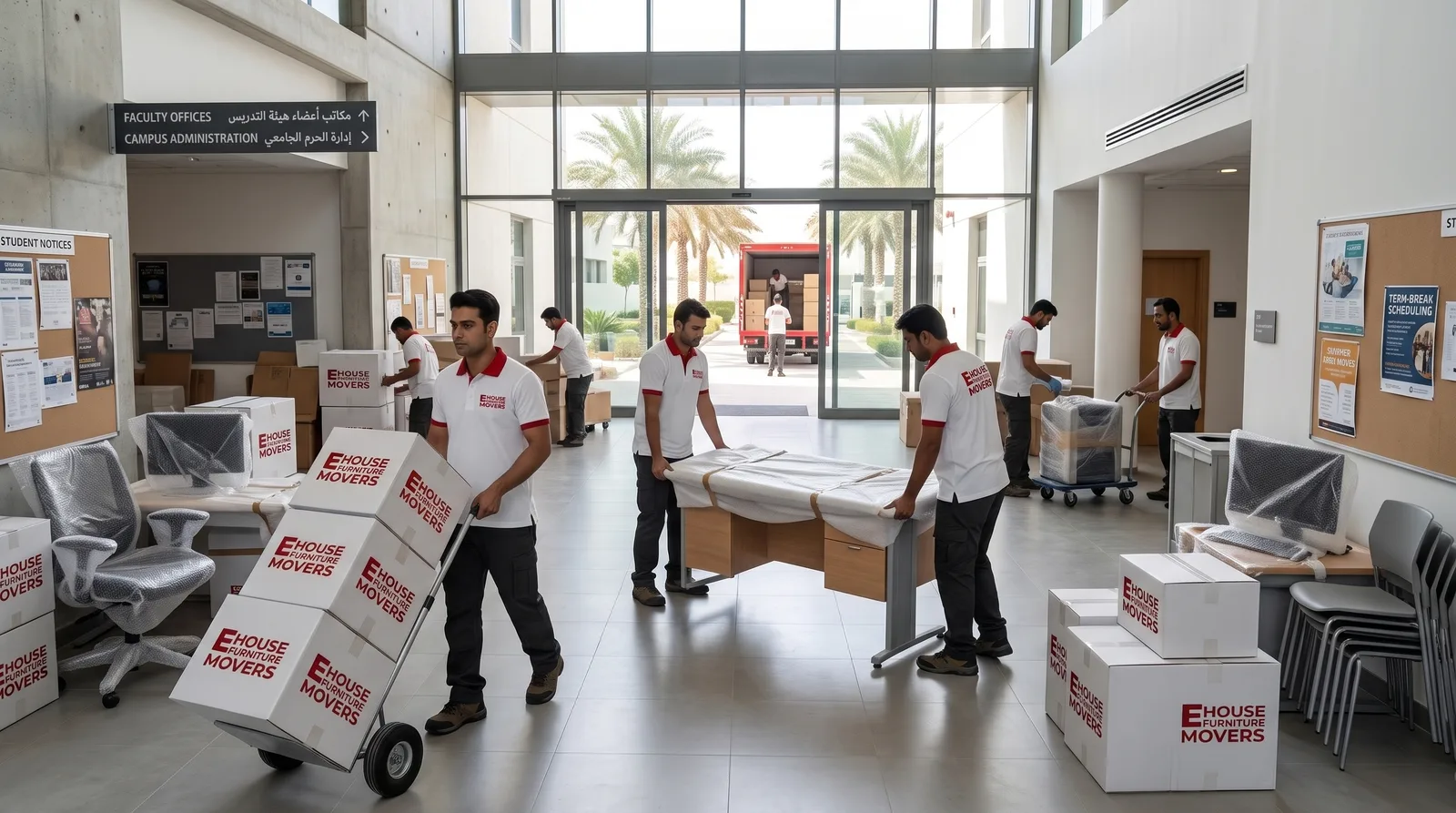
Relocating a medical clinic in Dubai involves more than moving equipment and office furniture. Delayed DHA approvals, damaged diagnostic devices, interrupted cold-chain storage, or exposed patient records can disrupt appointments and increase relocation costs.
Choosing medical clinic and healthcare office movers in Dubai requires careful planning around healthcare licensing, biomedical equipment handling, and patient safety.
This guide covers DHA/DoH compliance, DHCC relocation requirements, diagnostic equipment transport, cold-chain protocols, and patient-record confidentiality.
With these details, you can identify compliance gaps, avoid preventable relocation costs, and plan a safer move with less clinical downtime across Dubai Healthcare City, Al Barsha, and Jumeirah.
Why Clinic Moves Are Compliance-Critical (DHA/DoH)
A clinic relocation changes the address of a regulated healthcare service. The new building requires appropriate clinical space, approved layouts, and inspections. The correct authority depends on the location, not the moving contractor.
Which healthcare authority approves clinic relocation?
The Dubai Health Authority (DHA) regulates facilities under its jurisdiction, while the Department of Health (DoH) regulates healthcare facilities in Abu Dhabi.
According to the DHA Change Facility Location service, an active licensed facility requires initial approval, updated engineering plans, and an onsite inspection before final approval.
The DHA lists an average application processing time of five working days. This is a service-processing estimate, not a guaranteed completion date for the entire relocation.
Your healthcare facility representative submits the application through Sheryan, DHA's licensing portal. The process includes:
- Confirm the existing healthcare facility licence remains valid.
- Prepare the proposed floor plan and updated trade licence.
- Submit the location-change application through Sheryan.
- Pay the applicable regulatory charges.
- Obtain initial approval and request the field inspection.
- Complete the regulatory review and receive the updated electronic facility licence.
These stages affect the moving schedule. Transporting equipment before the destination is ready can create unnecessary storage and installation costs.
For Abu Dhabi relocations, Department of Health (DoH) facility licensing standards separately require approval for a healthcare facility location change. A Dubai licensce cannot simply replace Abu Dhabi authorization.
What is the healthcare relocation compliance checklist?
Use this checklist before confirming the clinic moving date:
- Verify the applicable DHA, DoH, or DHCC regulatory pathway.
- Confirm approval status for the destination's clinical layout.
- Review licensed specialties, treatment rooms, and equipment requirements.
- Assign a biomedical engineer to assess sensitive medical devices.
- Prepare infection-control and medical-waste procedures.
- Establish authorized custody of medicines and patient records.
- Schedule equipment testing, clinical inspection, and service reopening.
The checklist separates regulatory decisions from moving-company responsibilities. Your clinical leadership retains responsibility for healthcare compliance throughout the relocation.
Biomedical & Diagnostic Equipment Handling
Biomedical relocation protects devices against transport damage and verifies their clinical performance after installation. Ultrasound probes, laboratory analyzers, dental systems, and radiology equipment demand different shutdown procedures.
How are sensitive medical devices prepared?
Create a device inventory with serial numbers, model names, service status, accessories, and assigned destination rooms. The World Health Organization's 2025 medical-device inventory guidance covers equipment inspection, inventory, maintenance, and safe-use management.
Use manufacturer instructions to isolate power, secure movable parts, and pack fragile components. A qualified biomedical technician signs off on specialist disconnection and restart tasks. General medical office movers protect, load, transport, and place authorized items.
The table connects typical clinic assets with their relocation risks and release checks.
Device | Transport control | Before clinical use |
Ultrasound unit | Crate probes separately; restrain monitor and cart | Probe inspection and image-quality check |
Laboratory analyzer | Follow manufacturer shutdown; manage fluids and reagents separately | Calibration and quality-control samples |
Dental chair | Technician isolates air, water, and electrical lines | Test suction, waterlines, and positioning |
X-ray or CT system | Coordinate authorized dismantling and radiation-safety requirements | Installation and radiation compliance testing |
Patient monitor | Protect leads, sensors, and power components | Confirm alarms and functional performance |
A device powering on is not evidence of safe clinical performance. Keep transport-condition photographs and signed receiving records for high-value assets.
What additional checks apply to diagnostic imaging?
The DHA Diagnostic Imaging Standards, effective 26 November 2025, require applicable quality-control testing by a FANR-registered or licensed provider after equipment installation. The standards also require a documented picture archiving and communication system (PACS) and radiology information system (RIS) downtime plan.
Your radiology lead needs a commissioning window after delivery. Clinical imaging cannot resume merely because the machine fits in its new room.
How does infection control affect biomedical relocation?
Healthcare equipment requires cleaning and disinfection appropriate to its clinical use. Patient-contact surfaces, reusable instruments, and contaminated components cannot enter the packing process untreated.
The US Centers for Disease Control and Prevention (CDC) recommends cleaning medical devices before disinfection or sterilization and following manufacturer compatibility instructions.
Your infection-control team can document device decontamination, separate clean and contaminated materials, and verify destination treatment areas.
Keep clinical waste, used sharps, and contaminated disposable supplies outside ordinary furniture shipments. Healthcare hygiene procedures continue during both shutdown and reopening.
Cold-Chain & Controlled-Substance Protocols
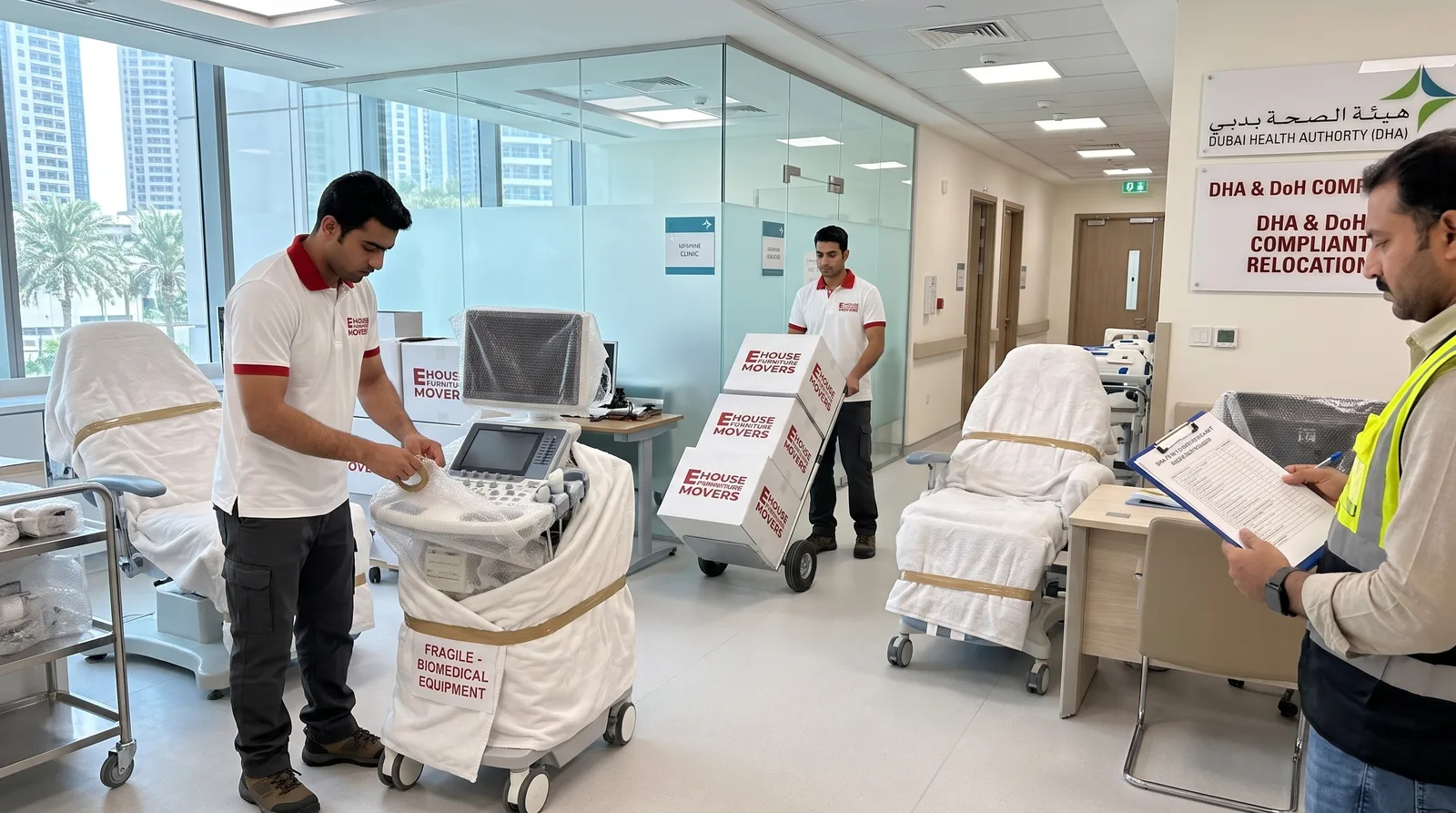
A clinic relocation must protect temperature-sensitive stock and preserve authorized custody of regulated medicines. These items should not travel with desk furniture or routine packing materials.
What temperature applies to medical cold-chain relocation?
Many routinely refrigerated vaccines require storage between +2°C and +8°C, according to the WHO vaccine-storage guidance. Other vaccines and biological products have different temperature requirements.
A medical clinic moving vaccines or temperature-sensitive medicines needs product-specific storage instructions, qualified packaging, and temperature monitoring.
The transfer plan covers 4 stages:
- Record product quantities, batch numbers, expiry dates, and required temperatures.
- Prepare suitable temperature-controlled containers and monitoring devices.
- Document temperatures during transport and receiving.
- Transfer products into verified storage and review temperature records.
A temperature excursion requires assessment under the product's stability instructions. Returning the container to its normal temperature does not automatically establish product suitability.
Can controlled medicines travel with ordinary clinic furniture?
Controlled and semi-controlled medicines require separate custody arrangements. Your responsible pharmacist must confirm the approved transfer procedure before dispatch.
The DHA Controlled and Semi-Controlled Medication Transfer service requires regulatory approval for its specified interfacility transfers during medicine shortages. It lists 5 working days as its average processing time.
That service does not automatically authorize every relocation-related medicine transfer. Obtain case-specific instructions from DHA and maintain stock reconciliation records.
Use authorized personnel to manage medication handover, access controls, and receiving documentation. General moving staff handle the surrounding physical logistics without independently taking custody of regulated medicines.
Patient-Records Confidentiality (PDPL)
Patient-record confidentiality during medical office relocation requires secure custody, controlled system access, and protection against unauthorized disclosure.
Paper records, electronic medical records (EMRs), diagnostic reports, and patient-identification documents require different handling procedures.
Which UAE privacy laws apply?
The UAE Personal Data Protection Law (PDPL), Federal Decree Law 45 of 2021, excludes personal health data where another law regulates its protection and processing. It is therefore inaccurate to treat the general PDPL as the sole rule for patient files.
The Federal Law 2 of 2019 on healthcare information technology, Article 20, specifies a minimum 25-year retention period measured from the patient's last healthcare procedure for covered electronic health information. A change of address does not eliminate those retention duties.
How can clinics protect patient records during relocation?
Patient-record relocation requires a documented chain of custody. Your clinic's authorized representatives control access during packing, transportation, and receiving.
Apply these safeguards:
- Physical records: Use numbered, tamper-evident containers and restricted-access storage.
- Electronic records: Verify encrypted backups and system restoration before migration.
- Access permissions: Restrict patient-data access to authorized personnel.
- Transport documentation: Record custody transfers and delivery confirmation.
- System verification: Test patient lookup, clinical documentation, and authorized record retrieval.
Dubai's NABIDH Information Security Standards address confidentiality, integrity, availability, access controls, backups, and information-security risks.
A clinic can unpack every computer yet remain unable to treat patients if its EMR connections fail. Test clinical software and required data exchange before resuming appointments.
Dubai Healthcare City Access & Re-Licensing Timing
Dubai Healthcare City relocation introduces a specific regulatory deadline alongside physical access, clinical inspection, and licence readiness. Landlord permission alone does not authorize clinical services.
How early must DHCC clinics notify regulators?
According to the official Dubai Healthcare City, licensees must submit an application at least 30 days before making any proposed changes, including relocating to another site or moving within the same building. Non-hospital healthcare facilities are also subject to at least one inspection each year, with additional inspections conducted when deemed necessary.
DHCC's official website identifies 5 hospitals and 168 clinical facilities in its healthcare community. For relocation planning, this district requires coordination between property management and healthcare regulation.
Begin with the authority's change application. Then coordinate service-lift reservations, loading access, equipment installers, and clinical inspection milestones. The 30-day requirement is advance notice, not a guaranteed operating-licence turnaround.
How do relocation requirements differ across Dubai districts?
Medical clinic relocation requirements across Dubai districts differ in healthcare licensing, building access, and equipment handling. Dubai Healthcare City follows DHCC regulations, while clinics in Al Barsha and Jumeirah generally fall under DHA licensing requirements.
- Dubai Healthcare City: Confirm DHCC regulations, building management access, and clinical operating permissions.
- Al Barsha: Confirm the appropriate DHA licence pathway, approved room layout, and access for bulky diagnostic equipment.
- Jumeirah: Verify DHA requirements alongside local building access, patient-entry arrangements, and loading restrictions.
For desks, reception furniture, and routine IT hardware, see the broader office relocation services page. The medical relocation plan remains separate because clinical equipment and regulated materials require specialist decisions.
Plan Your Medical Clinic Relocation in Dubai with Confidence
A well-planned medical clinic relocation protects more than expensive equipment. It helps reduce clinical downtime, prevent costly biomedical equipment damage, maintain medicine storage conditions, and keep patient appointments on schedule. The right medical moving team coordinates secure transport with your clinical staff, allowing you to focus on patient care while specialists handle relocation logistics.
Whether you're relocating a clinic in Dubai Healthcare City, Al Barsha, or Jumeirah, prioritize DHA or DHCC approvals, biomedical equipment protection, secure patient-record handling, and a clear reopening schedule. Choose medical office movers in Dubai who understand these requirements rather than relying on standard furniture-moving procedures.
Ready to relocate your medical clinic in Dubai?
Request an on-site survey and a customized healthcare moving quotation. Get a detailed plan covering specialist equipment transport, downtime reduction, moving costs, and delivery schedules before confirming your relocation date. Protect your medical assets, avoid preventable disruptions, and get your new clinic ready to welcome patients.
Frequently Asked Questions
Yes. The applicable health authority must approve the location change before licensed services operate at the new address.
There is no universal downtime allowance. Schedule closures around clinical coverage, inspections, and completed equipment testing.
Qualified biomedical technicians manage technical tasks; appropriately equipped movers manage the agreed physical transfer.
The licensed healthcare operator remains accountable for regulatory obligations and delegates specific activities to competent personnel.
Planning a move?
Get a written, fixed-price quote from our team, usually within 20 minutes.