



ناقلات المكاتب في دبي عمليات النقل ضد أربعة مستويات حجم المكاتبلكل منهما يوم عمل ثابت من أول دراسة استقصائية إلى مكتب تشغيلي كامل. ويستغرق مكتب صغير يقل عن 500 1 قدم مربع 7 أيام عمل. An SME office from 1,500 to 5,000 sq ft takes 10 to 14. طابق متوسط من 5000 إلى 15000 قدم مربع يمتد 21 يوماً في عطلة نهاية الأسبوع على مراحل ويحتاج طابق المؤسسة يزيد على 000 15 قدم مربع إلى 30 أو أكثر.
مجرى عمل يركضان خارج العد وتحتاج هجرة تكنولوجيا المعلومات من 4 إلى 6 أسابيع من المجرى الموازي على أي تحرك يتجاوز حجم المشاريع الصغيرة والمتوسطة الحجم. وتضاف أبراج مزودة بالبضائع في إيمار، ودي في سي، ودي إم سي، وجاف زيا، 3 إلى 10 أيام فوق خط الأساس، ويضيف رمضان ما بين 30 و 50 في المائة إلى أي مستوى ينطبق عليه. وتكسر الأقسام الواردة أدناه كل يوم في اليوم وتشرح سبب بقاء العد.
ما هي الدراسة الاستقصائية لقياس العمليات في الواقع؟
الدراسة الاستقصائية للتدابير التنفيذية أيام عمل من أول اتصال إلى مكتب منتج تماماليس من أول اتصال إلى شاحنة تصل Some movers quote only the physical move, two days end to end; others fold in months of planning. لا أحد يُخبر زبوناً عندما يُدير عمله عادةً، لذا يتتبع هذا الدليل ستة معالم ثابتة بدلاً من ذلك.
- الدراسة الاستقصائية المنجزة: يقوم المنسق بزيارات إلى كل من أماكن العمل، ويقيّم حجمها ومعدات فهرسها، ويعود ذلك عادة إلى يوم عمل من أول اتصال
- الكمية الصادرة: سعر ثابت يغطي الطاقم والتصاريح والتأمين، في اليوم نفسه بالنسبة للمكاتب التي تقل قيمتها عن 000 5 قدم مربع، أي أكثر من 3 أيام عمل
- العقود الموقعة والتصاريح التي استُهلت: بناء طلبات غير ملاحظ، وامتثال اتفاق التجارة الإقليمية، وتعديل نظام التعليم والتدريب المهني، وتوقيع نظام إيجاري في كلا المكانين
- الانتهاء من التعبئة: الأثاث، ووقف تشغيل تكنولوجيا المعلومات، وإصدار وثائق تسلسل الاتهام قبل نهاية عطلة نهاية الأسبوع
- النقل المنفذ: الشحن والنقل والتفريغ وإعادة التأقلم في المقصد
- تم تأكيد الاستعداد التشغيلي: الموظفون في مكاتبهم، وتحققت تكنولوجيا المعلومات، وهاتفهم على الهواء مباشرة، ويوم العمل الكامل الأول
تصاريح الانتقال والمغادرة ويغطي الإطار التناسبي الست لكل مستوى يسير بالتوازي؛ وتفترض المستويات الواردة أدناه أن هذا الإطار قد بدأ بالفعل.
كيف يتحرك مكتب صغير؟

مكتب صغير 5 إلى 15 محطة عمل مع مصعد شحن واحديكتمل في 7 أيام عمل وتندرج في هذا المستوى حالات بدء العمل، والاستشارات في غرفة واحدة، والمكاتب الساتلية، وهي تنطوي على أدنى مخاطر الضغط على الأربع.
| يوم | معلما |
|---|---|
| 1 | أول اتصال، مسح محجوز في اليوم نفسه أو اليوم التالي |
| 2 | دراسة استقصائية في كلا المبنىين؛ وصدر اقتباس في نفس اليوم لنطاق مباشر |
| 3 | عقد موقّع؛ بناء شركة نفاثة؛ بدأ تعديلها من خلال الاستثمار في دبي |
| 4-5 | مواد التعبئة المسلَّمة؛ البنود غير الحرجة المحزمة؛ مراجعة تكنولوجيا المعلومات والتحقق الاحتياطي |
| 6 | التنفيذ: التحميل والنقل والتفريغ وإعادة التأقلم وإعادة ربط تكنولوجيا المعلومات |
| 7 | التحقق التشغيلي؛ الموظفون في المكاتب؛ اكتمل يوم العمل الأول |
The tier fits inside the shortest lead times in the permit stack: Building NOC clears in 48 to 72 hours, RTA truck compliance in 1 to 2 working days, and the DET amendment runs its full 7 to 15 days in the background without blocking day one at the office.
وتنخفض العدة إلى خمسة أيام عندما يقوم كل من المبنيين بعمليات غير رسمية لمركبات ثلاثية النيتروجين، ولا ينطبق أي نظام أحراري، ولا يحتاج الأمر إلى أي عمل مناسب، ويوقع العميل في اليوم نفسه؛ ويدفعه أحد المباني المفقودة إلى 7 أو 8. ويمتد إلى 10 أيام في أماكن إيمار أو نخائيل أو إدارة الشؤون الاقتصادية والاجتماعية أو ميراس أو سوبها أو مركز التنمية الدولية، حيث يضاف مركز التركيز غير الملاحظ على المطور 3 إلى 5 أيام بصرف النظر عن حجم المكتب. وينفذ الاعدام الأسبوعي ٥٠٠ ٤ دينار استرليني الى ٥٠٠ ٧ دينار استرليني؛ وينفذ الاعدام في نهاية الأسبوع ٥٠٠ ٥ دينار استرليني الى ٠٠٠ ٩.
إلى متى ينتقل مكتب المشاريع الصغيرة والمتوسطة الحجم؟
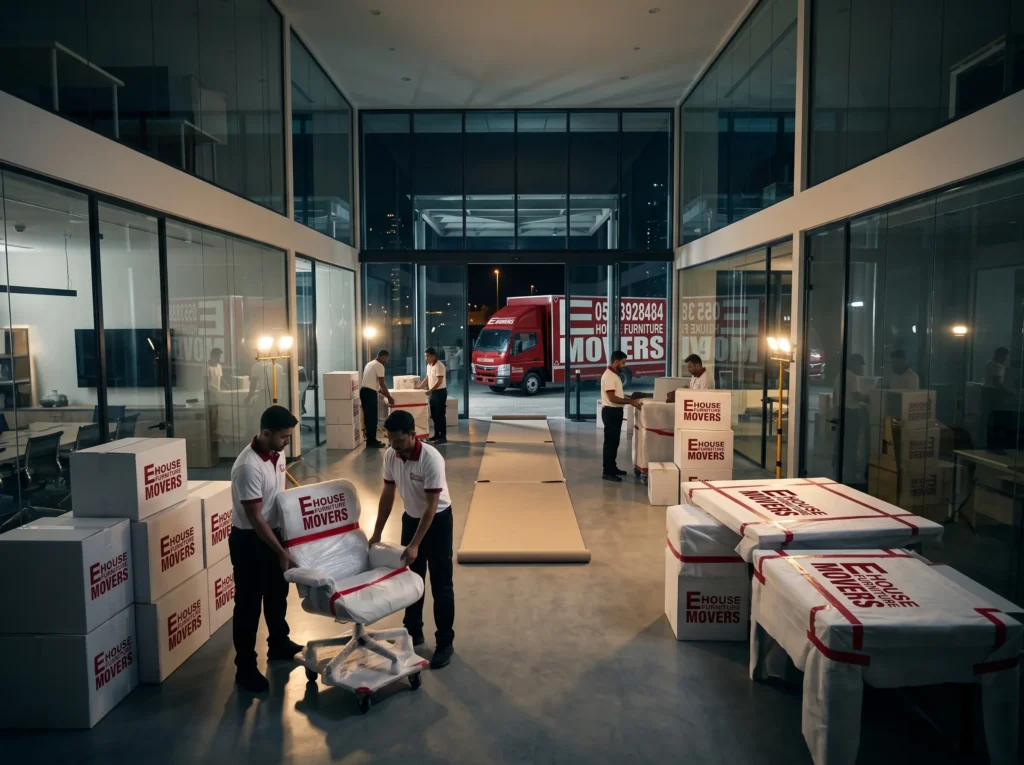
الإطار الصغير 15 إلى 75 محطة عمل بغرفة خدمة صغيرةوهي الحركة التجارية الأكثر شيوعا في دبي، وتمتد من 10 إلى 14 يوم عمل خلال ثلاثة أسابيع.
- الأسبوع 1: الاتصال والاستقصاء في الأيام من 1 إلى 2، اقتباساً في اليوم 3، العقد الموقع وجميع التصاريح الستة المقدمة في الأيام من 4 إلى 5 مع مراجعة حسابات تكنولوجيا المعلومات التي تبدأ بالتوازي
- الأسبوع 2: التغليف غير الحرج وتخطيط وقف تشغيل الخواديم في الأيام من 6 إلى 7، يمر إيغاري وبوابة الهبوط في الأيام من 8 إلى 9، تحميل المواد غير الحرجة في المساء ابتداء من اليوم 10
- الأسبوع 3: التنفيذ الكامل في عطلة نهاية الأسبوع مع اختبار تكنولوجيا المعلومات بعد ظهر يوم الأحد، والموظفون في المكاتب يوم الاثنين، وموافقتهم على الهبوط بحلول يوم الثلاثاء أو يوم الأربعاء
يضغط العجلة إلى 10 أيام عندما يجلس كلا المبنىين خارج المناطق الحرة والبرجين المسمّين بعلامات غير معقدة للخواديم للتخطيط حولها. It extends to 21 days at DIFC, where the freezone amendment adds 5 to 10 days, or where destination fit-out triggers a Dubai Municipality permit at 5 to 10 days on top. ويتداخل رمضان وعطلة عامة كل منهما مع حاجزه الخاص، الذي يغطيه الفرع التقويمي أدناه. وينفذ الاعدام الأسبوعي ما يتراوح بين ٠٠٠ ٨ و ٠٠٠ ١٨ درهم؛ وتدير عطلة نهاية الأسبوع ٠٠٠ ١٠ درهم الى ٥٠٠ ٢٢ درهم.
How does a Mid-Size Office move Work? (5,000 to 15,000 sq ft, 21 Days Phased)
أكثر من 5000 قدم مربع، عطلة نهاية أسبوع واحدة لم يعد بإمكانه حمل الأرضية بأكملهاإذاً، إنقسم المستوى المتوسط إلى نوافذ نهاية إسبوع من 2 إلى 4 عبر مشروع لمدة 21 يوماً بينما تواصل الإدارات غير المتضررة التجارة من العنوان القديم
- الأسبوع 1، الأيام من 8 إلى 9: تكنولوجيا المعلومات، وغرفة الخواديم، وتنقل التمويل أولا، لأن كل مرحلة لاحقة تعتمد على شبكة عمل في المقصد
- الأسبوع 2، الأيام من 15 إلى 16: العمليات والمبيعات والموارد البشرية متابعتها بأشغال السوائب وأثاث الإدارات
- الأسبوع 3، الأيام من 22 إلى 23، للطابق الذي يزيد على 000 10 قدم مربع: الحيز التنفيذي، والاستقبال، وغرف اللوحة يمضيان قدما، ويحتفظان باستقبال عمل في العنوان القديم إلى حين تبديل المفتاح
في الطابق العلوي من هذا المستوى، 15000 قدم مربع، في كثير من الأحيان يحتاج إلى عطلة نهاية الأسبوع الرابعة و نافذة لمدة 28 يوما بدلا من ثلاثة. Three critical paths run at once: permits across days 1 to 10, IT migration across the full 21 days, and physical execution across days 8 to 21 with five-day gaps between holidays for settling in. وتضاف الطوابق المسجلة لدى لجنة الحدود بين 5 و 10 أيام للتعديل المتعلق بالزون الحر والحرس الأمني الإجباري أثناء التنفيذ؛ ويضيف إطار " السافات 2.0 " الفضي الناشط ما يتراوح بين 5 و 10 أيام قبل بدء الانتقال. وينفذ في نهاية الأسبوع ما يتراوح بين 000 18 و000 45 دينار عراقي؛ وينفذ بعد ساعات أو تنفيذ خاص باتفاقية مكافحة الإغراق 500 22 إلى 000 56 أو أكثر.
كيف يبدو مكتب المؤسسة؟ (15000 + q ft, 30+ Days)
أكثر من 15000 قدم، الخطوة تصبح مشروع مع منسق متفرغ واجتماعات توجيهية أسبوعيةلا حجز ويعكس المدرج الذي يتراوح بين ٣٠ و ٣٠ يوما عدد الإدارات، وليس سرعتها.
الأسابيع من 6 إلى 4: التخطيط السابق للتحرك
Lease signed, fit-out planning underway if needed, the Dubai Municipality fit-out permit filed, and buyer selection completed for the mover, the IT specialist and the decommissioning partner.
الأسابيع من 4 إلى 2: الهياكل الأساسية التنظيمية وتكنولوجيا المعلومات
مبنى NOC ويدخل الطلبان في كلا المبنىين، وملفات تعديل نظام المعلومات الإدارية المتكامل، وسجلات " إيجاري " ، ومن المقرر أن يتم فصل إدارة شؤون الإعلام في العنوان القديم قبل نافذة الاتصال في المبنى الجديد. ويتأكد من أن الإيسلاتالات أو الاتصال في المقصد نشط، وتكتمل مراجعة معدات تكنولوجيا المعلومات.
الأسابيع - 2 إلى صفر: التعبئة قبل الحركة وتخطيط المرحلة
وتغلق خطة التنفيذ على مراحل، وتحصل كل إدارة على جدول التعبئة، وكتب مصعد الشحن في كلا المكانين لثلاثة إلى خمسة طواقم تبعا لمنطقة الطابق الأرضي.
الأسابيع من صفر إلى +3: الإعدام عبر ثلاث إلى أربع عطلات نهاية أسبوعية متدرجة
ويستهدف كل عطلة نهاية أسبوع طابقاً أو إدارات محددة، مع تخصيص وقت في مجال تكنولوجيا المعلومات وتسوية الإدارات قبل بدء المرحلة المقبلة.
أسابيع +3 إلى +6: التثبت بعد التحرك والغلق
DET approval lands, addresses update across DEWA, Etisalat, RTA and the banks, and a final walk- through closes both the old premises for deposit release and the new one for sign-off.
وتوسع ثلاثة مضافات أخرى المجرى: فحد أدنى من الخدمات المالية للجنة يضيف 10 إلى 15 يوما للبروتوكول الأمني ونشر الحراسة، ويضيف مستأجر من الحكومة إلى المستأجر حداً أدنى مدته 10 أيام لإزالة تصاريح أفراد الطاقم، ويمتد نقل مركز البيانات إلى المسار الموازي لتكنولوجيا المعلومات إلى 8 إلى 10 أسابيع. وينفَّذ التنفيذ على مراحل أسبوعياً ما يتراوح بين 000 45 و000 100 شخص أو أكثر؛ ويُنفَّذ التنفيذ بعد ساعات مع امتثال مركز البيانات الدولي أو متطلبات مركز البيانات بمبالغ تتراوح بين 000 100 و000 200 دينار أردني أو أكثر.
لماذا تحتاج الهجرة من 4 إلى 6 أسابيع؟
هو مسار العمل الذي يقرر ما إذا كان صباح يوم الاثنين يعمل فعلاولا يمكنها أن تضغط أقل من أربعة أسابيع دون المخاطرة بالشبكة في الوجهة. وفوق مستوى المشاريع الصغيرة والمتوسطة الحجم، تجري في موازاة من اليوم الأول من المشروع، وليس من أسبوع التحرك.
- الأسبوع 1: كل خادم، ومفاتيح، وأجهزة تشغيل، ونظام هاتف مفهرسة، وفحص حالة الضمان، وتسلسل إنهاء الخدمة الذي يقدم إحاطة إلى الطاقم المادي
- الأسبوع 2: تناقل البيانات الحيوية للأعمال التجارية إلى البيئات السحابية حيثما كان ذلك ممكنا، مما يقلص حجم المعدات التي تحتاج إلى نقل مادي، مع توثيق خطة التراجع
- الأسبوع 3: توفير القدرة على الاتصال بالألياف في المقصد واختبارها، كما أن تشكيلات الجدار الناري وشبكة البرامج المواضيعية جاهزة للشبكة الجديدة
- الأسبوع 4: إجراء محاكاة للتخفيض الكامل للقلبات المغلقة والتبديل وإعادة التشغيل، وتختبر كل إدارة تطبيقاتها الأساسية في العنوان الجديد قبل يوم الانتقال
- الأسابيع من 5 إلى 6، المؤسسة المتوسطة الحجم وما فوقها: يشمل التثبت الموسّع اختبارات متعددة المراحل والتحقق من استعادة القدرة على العمل بعد الكوارث المتوائمة مع المراحل المادية
فالتوفير في مبان تجارية جديدة من خلال إيتسالات أو دو يحتاج عادة إلى 5 إلى 10 أيام عمل للوصلات المعيارية وإلى ما يصل إلى 30 يوماً لخطوط الشركات ذات النطاق الترددي العالي، وبالتالي فإن أمر الاتصالات السلكية واللاسلكية يمر في الأسبوع ناقصاً 6 أيام وليس أسبوعياً ناقصاً واحداً. وتحتاج البيانات الشخصية عن أي خادم متنقل إلى سلسلة موثقة من الاحتجاز بموجب قانون حماية البيانات الشخصية التابع لجامعة الدول العربية، وهو شرط لا يمثل أفضل الممارسات. وفي الحالات التي يكون فيها المجرى أقصر من الطلب على المستوى، لا تزال هناك ثلاثة خيارات: تأخير تاريخ الانتقال، أو استئجار حيز مؤقت للعمل المشترك في الوجهة أثناء المصيد، أو نقل تكنولوجيا المعلومات أولا في مرحلتها الخاصة بها مع وجود فجوة أطول قبل بقية الطابق.
أي ستّة ميليستونات تُطبّقُ إلى كُلّ تير؟
كل مكتب يتحرك وبغض النظر عن حجمها، تمر عبر نفس المعالم الستة; ما هي التغييرات بين المد والجزر هو عدد الأيام المخصصة لكل واحد.
| معلما | المدة | ما يحدث |
|---|---|---|
| 1 - الدراسة الاستقصائية | ١-٣ أيام | حجم الأثاث، ومخزون تكنولوجيا المعلومات، وقيود الدخول، والبنود المتخصصة الموثقة في كلا المكانين |
| 2. Quote | ٢٤ ساعة - ٣ أيام | السعر الثابت الذي يغطي الطاقم وحجم الشاحنة ومواد التعبئة والتصاريح والتأمين |
| 3 - العقود + التصاريح | ٥-١٥ يوما | المبنى NOC, RTA compliance, DET amendment, Ejari and gate passes filed |
| 4 - التعبئة | ٢-١٤ يوما | أصناف غير حرجة معبأة، متوقفة عن العمل، موثقة |
| 5- التنفيذ | ١-٤ عطلة نهاية الأسبوع | يوم الجمعة، النقل والتفريغ يوم السبت، اختبار تكنولوجيا المعلومات يوم الأحد |
| 6 - الاستعداد التشغيلي | عطلة نهاية الأسبوع | موظفون في المكاتب، وأخصائيون في تكنولوجيا المعلومات، وإدارة شؤون المرأة العاملة، ويوم العمل الأول مكتمل |
حجم الشاحنة للساق الجسدية يتبع الحمولة، وليس العجلة؛ ويقع منطق التخصيص 3 و5 و10 طن في
أوقات الطرق المقيدة للمركبات التجارية في دبيصنفان خارج المعلم السادس: عادة ما تهبط موافقة الدائرة بعد 7 إلى 15 يوما من أيام العمل، وغالبا بعد الانتقال نفسه، وتربط الكهرباء والمياه في غضون 15 ساعة عمل من دفع الودائع الضمانية في إطار النشرة الصادرة عن إدارة شؤون المرأة معيار الانتقال إلى الخدمة.
كم يُمكن لـ(رامادان) أن يُكمل الخط الزمني؟
Ramadan adds 30 إلى 50 في المائة لأي درجة ينطبقو التأثيرات تتراكم عبر أربع قنوات بدلاً من واحدة
- ساعات قياسية تنخفض إلى 6 في اليوم، لذا تباطأ التجهيز الحكومي: يمتد عدد المركبات غير المشغلة من 48 ساعة إلى 72 ساعة إلى 3 أيام إلى 5 أيام، ويمتد التعديل من 7 إلى 15 يوما إلى 10 إلى 21
- انخفاض ناتج الكروات خلال ساعات التسارع، عادة إلى 60 إلى 70 في المائة من المعايير، لذلك ينشر الناقلون أطقم أكبر لحمل الجدول، بتكلفة مضافة
- تقل ساعات إدارة المباني في إمار وناخائيل، حيث تمدد كل دورة اتصال
- بعض مالكي منازل الفنادق يتوقفون عن التحركات بعد ساعات كاملة خلال رمضان لحماية فترة النجم
حركة صغيرة لمدة 7 أيام تصبح 9 إلى 11 يوماً تصبح حركة المشاريع الصغيرة والمتوسطة الحجم لمدة 14 يوماً 18 إلى 20. أي 21 يوم انتقال منتصف الحجم يصبح 27 إلى 32. وتضيف العطلات العامة تأخيرها على رأسها: عيد الفطر، عيد الأضحى، اليوم الوطني ويوم الاحتفال، كل بوابات حكومية مغلقة لمدة تتراوح بين يومين وأربعة أيام عمل في الأسبوع المحيط، وبالتالي فإن الموعد المستهدف في غضون خمسة أيام عمل من كل منها يحتاج إلى 5 أيام إلى 10 أيام إضافية مبنية في الأسبوع.
كم يضيف (تشيب تاير) إلى الخط الزمني؟
المطور في أي من نهاية الحركة يضيف أيامه الخاصة فوق خط الأساسو الزواحف المجانية تضيف أكثر
| صمامات البناء | أيام مضافة |
|---|---|
| مبان غير مزروعة (بور دبي، دييرا، كاراما) | خط الأساس؛ نفس اليوم إلى 3 أيام |
| Business Bay, Downtown, JLT (non-DMCC) | 2–3 |
| الأبراج التي يديرها إمار | 3–5 |
| المباني التي يديرها نخائيل | 3–7 |
| المباني التي يديرها المركز | 3–5 |
| DMCC (JLT freezone) | 5–7 |
| JAFZA | 3–5 |
| DIFC | 5–10 |
| DAFZA | 5–7 |
وفي الحالات التي يتواجد فيها كل من المنشأ والمقصد في أماكن مصنّفة بالعلامات التجارية أو في مناطق حرة، فإن التأخيرات تُنفَّذ بالتوازي بدلاً من أن تنتهي؛ ويضاف الانتقال من مركز البيانات الدولي إلى مركز إيمار في المدينة ما يتراوح بين 7 و 12 يوماً فوق خط الأساس بمجرد تنسيق المسارين الحاسمين معاً، وليس المبلغ الكامل لكلا الرقمين.
أي طريق مختصر زمني يفشل؟
خمس محاولات ضغط فشل يمكن التنبؤ بهوكل واحد يكلف وقتاً أكثر من المستوى الذي حاول تخطيه
- A SME move attempted in 3 days without the Building NOC ready: security refuses loading bay access, the move reschedules a full week out, and crew remobilisation adds AED 2,000 to 5,000
- محاولة لتحرك المؤسسة في 14 يوما: لا يمكن لتكنولوجيا المعلومات أن تضغط دون 4 أسابيع بدون مخاطر، لذا فإن الشبكة في المقصد غير عاملة صباح يوم الاثنين، وتتدهور العمليات لمدة تتراوح بين 5 و 10 أيام بينما ترتفع تكنولوجيا المعلومات
- A Ramadan-window enterprise move with no buffer: NOC, DET and DEWA delays cascade together, and staff arrive to a partially operational floor with IT lagging 3 to 5 days
- A DIFC move run on an SME timeline: the 5-day security pre-approval blocks execution, crew accreditation are rejected at the gate, and the move reschedules on the DIFC-compliant 10-day track
- A survey gonepped to save 2 days: the quote under-scopes the job, the crew arrives short on trucks or equipment, and the move extends by another week at instalment cost
The pattern repeats across all five: the shortcut looks faster on the booking sheet and produces a stopped move at some latermark that costs more than the tier it tried to overcome.
الخلاصة
ويعمل ناقلو المكاتب في دبي على حساب ثابت يتبع حجم المكاتب: 7 أيام للصغرى، و 10 إلى 14 للمؤسسة الصغيرة والمتوسطة الحجم، و 21 مرحلة لمنتصف الحجم، و 30 أو أكثر للمؤسسة، وتدير تكنولوجيا المعلومات مسارها الخاص من 4 إلى 6 أسابيع تحتها. عامل البناية و التقويم يحوّل الرقم لكنهم لا يزيلونه أبداً فكل ضغط من الضغائن الخمسة التي تفشل تفعل الشيء نفسه: فهي تقترض الوقت من معالم لاحقة وتعيد دفعها مع الاهتمام في خليج التحميل.
الأسئلة الشائعة
7 إلى 30 يوم عمل أو أكثرمن المسح إلى الاستعداد التشغيلي، حسب الحجم. وتستغرق المكاتب البالغة الصغر التي تقل مساحتها عن 500 1 قدم 7 أيام؛ وتستغرق طابقات المؤسسة التي تزيد على 000 15 قدم مربع 30 أو أكثر عبر المدرج المرحلي.
نعم أقل من 000 3 قدموفوق ذلك، فإن حدود تفاني مصعد الشحن، وتحتاج عملية التحقق من تكنولوجيا المعلومات إلى دفع الانتقال إلى عطلتين أو أكثر.
أسبوع واحد للميكروفون، و2 للمنشآت الصغيرة والمتوسطة الحجم، و4 لمنتصف الحجم، و6 إلى 8 للمؤسسة. ويبدأ تخطيط تكنولوجيا المعلومات في وقت سابق: 4 إلى 6 أسابيع قبل منتصف الحجم، من 8 إلى 10 للمؤسسة.
نعم 30 إلى 50 في المائة على أي مستوى ينطبق. ويصبح التحرك البالغ الصغر لمدة 7 أيام من 9 أيام إلى 11 يوما؛ ويصبح الانتقال في منتصف المدة لمدة 21 يوما من 27 إلى 32 يوما، ويقوده يوم العمل الذي يستغرق 6 ساعات، ويبطأ تجهيز الحكومة.
4 إلى 6 أسابيع من المدرج الموازي فوق مستوى المشاريع الصغيرة والمتوسطة الحجم: مراجعة الهياكل الأساسية، ثم هجرة البيانات، ثم توفير الموصولية، ثم التدريب على تقليص حجم المشاريع، بحيث تمتد الطوابق من 6 إلى 8 أسابيع من أجل التصديق عليها.
نعم 5 إلى 10 أيام فوق خط الأساسويقودها أمن المركز قبل الموافقة عليه، والحراسة الإلزامية أثناء التنفيذ، وتقديم وثائق الإثبات المسبقة لمدة خمسة أيام.
7 إلى 15 يوم عمل From submission through Invest in Dubai, extending to 10 to 21 during Ramadan. وهو لا يمنع الموظفين العاملين في العنوان الجديد، ولكن يجب أن يكون واضحا قبل تجديد الترخيص المقبل.
هذا يعتمد على أي واحد المفقودون يضغطون على الحركة إلى عطلة نهاية الأسبوع القادمة ويؤخر التعديل الذي فات إدخاله على نظام المعلومات الإدارية تجديد الرخصة في غضون أسبوعين إلى ستة أسابيع. (إيجاري) المفقود يفتح عقد الإيجار للخلاف تفوّت نشاط إدارة شؤون المرأة يترك موظفين بدون سلطة في اليوم الأول.
Sarmast Baloch is a distinguished content strategist and industry writer with multiple years of specialized expertise in the self storage and residential relocation sector. ويعكس عمله قيادة عميقة لنقل اللوجستيات، والتخزين الأمثل، واستراتيجيات إعادة توطين المستهلكين، مما يؤدي باستمرار إلى توفير محتوى موثوق به ومستند إلى نظرة ثاقبة، مما يسد الفجوة بين معارف الصناعة وصنع القرار كل يوم. وعلى مر السنين، بنى سارماست سمعة قوية لتصميم روايات مدروسة بدقة، ومزودة ببيانات تمكن أصحاب المنازل والمستأجرين والأعمال التجارية من الاقتراب من إعادة التوطين بشكل واضح وثقة. واشتملت مساهماته التحريرية على طائفة واسعة من مواضيع النقل والتخزين، من تحليل التكاليف وتقييم البائعين إلى حلول لوجستيات إدارة الفضاء البعيدة المدى. صوت موثوق به في المشهد المتحرك والتخزين، (سارماست) يجلب مزيجاً نادرًا من التصلب التحليلي والقصّة الميسّرة لكلّ قطعة ينتجها، مما يجعله سلطة قيّمة في (إيهوس موفرز).
إدريس هو متخصص في الخدمات اللوجستية مع التركيز على نقل السكن وكفاءة سلسلة التوريد. مع خبرة واسعة في صناعة النقل ، فهو متخصص في سلامة النقل ، وتقنيات التعبئة المتخصصة للسلع عالية القيمة ، وإدارة الأسطول. وهو مكرس لتبسيط عملية النقل، وضمان التعامل مع كل عملية نقل مع التخطيط الاستراتيجي والرعاية القصوى.