


الطابق فوق 3000 قدم مربع لا يمكن أن تتحرك في عطلة نهاية أسبوع واحدة، لذلك مكاتب مؤقتة في Dubai تقسيم المشروع إلى أربع موجات عبر 2 إلى 4 عطلات نهاية الأسبوع بدلاً من ذلك ولا يمكن لمصعد الشحن أن يحتجز مستأجرا واحدا لمدة 48 ساعة متواصلة، وطاقم كبير بما فيه الكفاية لإنهاء 5000 قدم مربع في واحد من الخرقات في أماكن العمل، ولا يمكن لتكنولوجيا المعلومات أن تقطع وتثبت داخل عطلة نهاية أسبوع واحدة دون المخاطرة بصباح يوم الاثنين.
The four waves run in a fixed order: administrative setup with no physical move, IT core infrastructure, business services departments, then staff areas and reception. وفيما بين كل موجة، فإن ثغرة تتراوح بين 5 و 14 يوم عمل تسمح للمقصد بالتسوية قبل بدء العمل التالي. الأقسام الواردة أدناه تغطي كل موجة، كيفية قياس عدد عطلة نهاية الأسبوع، وما يحدث عندما تنزلق موجة.
ما الذي يجعل حركة متحركة، ليس فقط إسبوع متعدد؟
يحدد الانتقال التدريجي أربعة صفات معا، وليس أي واحد منهم: الإعدام ينقسم في عطلة نهاية الأسبوع، في كل عطلة نهاية أسبوع يستهدف قسماً محدداً أو طابقاً بدلاً من شريحة عشوائية، ولا تزال أماكن المنشأ تتداول بين الموجات، وثغرة تحقق ثابتة قبل أن تبدأ الموجة التالية. والحركة التي تجري ببساطة عطلتين عطلة نهاية أسبوعيتين غير منظمة لأن الطاقم نفذ من الوقت ليست تدريجية، بل هي حركة فاشلة تستغرق أسبوعا واحدا.
وتخلق هذه الفئة ثلاثة قيود. ولن تكرس إدارة المباني نقلا للشحن بعد 48 ساعة متواصلة في برج مشترك. ويتم تحديد حجم الكري لكل موقع من أجل التأمين والامتثال للعمل. وتضاعف مخاطر التعطل في تكنولوجيا المعلومات حداً مقبولاً عندما يحدث نقل الخواديم إلى أماكن العمل في نفس النافذة دون فرصة للتحقق فيما بينها. ويحول التصفيق طابقاً لا يمكن أن ينتقل في عطلة نهاية أسبوع إلى واحدة تتحرك في أربع خطوات مقاسة.
والتصوير ليس نفس فكرة سد فجوة الإيجار في التخزين، أو الحيز المؤقت المؤقت في حين أن الوجهة ليست جاهزة، أو الإنهاء التدريجي للتشييد. يمكن للثلاثة أن يركضوا جنباً إلى جنب مع خطوة تدريجية، ولكن كل منهم يحل مشكلة مختلفة.
ما الذي يحدث في كل من الموجات الأربعة؟
كل موجة تحمل a different share of the businessويتبع الأمر التبعية، وليس الملاءمة: يتعين على تكنولوجيا المعلومات أن تعمل قبل أن تتمكن الإدارات من الانتقال إليها، وتستقر الإدارات عليها قبل أن تغلق دائرة الاستقبال.
| موجة | التوقيت: | ما يتحرك | مباشرة في المكان بعد |
|---|---|---|---|
| 1 - الهيكل الإداري | يوم 1-7، لا حركة جسدية | تصاريح، مراجعة حسابات تكنولوجيا المعلومات، خطط الحد الأدنى، إحاطات الإدارات | 0% |
| 2 - جوهر تكنولوجيا المعلومات | الأسبوع 1 | خوادم، مفاتيح، محركات أساسية، جدران نارية، مخزن رئيسي | 20-25% من النظم |
| 3- خدمات الأعمال التجارية | الأسبوع 2، 5-14 يوما بعد الموجة 2 | التمويل، العمليات، المبيعات، الموارد البشرية، الخدمات القانونية، 60-75% من محطات العمل | 60-70% من النظم |
| 4 - الموظفون والاستقبال | الأسبوع 3-4، 5-14 يوماً بعد الموجة 3 | قاعات المجلس، غرف الاستراحة، الطابق التنفيذي، الاستقبال الأخير | 100% |
الموجة الأولى تضع البوابة لكل شيء بعد ذلك وتدخل تطبيقات شركة نفط الشمال في كامل نافذة التنفيذ، وليس في عطلة نهاية أسبوع واحدة في كل مرة، حيث يعامل المطور الحجز المرحلي كمشروع واحد. تقوم مراجعة حسابات تكنولوجيا المعلومات بفهرسة كل خادم وتبدأ في الهجرة إلى السحابة قبل أن يلمس (وايف 2) كابلاً وبحلول يوم 7، تكون ثلاثة شروط تؤكد أن الموجة 2 جاهزة للبدء: إذ تطبع هذه المادة في كل عطلة نهاية أسبوع، وتوثيق سلسلة تكنولوجيا المعلومات، وقد اعترفت كل إدارة بمهمتها الموجية. فقدان أيّ من الثلاثة تأخيرات الموجة 2 أسبوعياً بدلاً من المخاطرة بسلسلة تعاقبية لاحقاً
الموجة 2 هي عطلة نهاية الأسبوع الأكثر مخاطرة لأن الموجات 3 و 4 تعتمد عليها وأغلقت النظم غير الحرجة مساء يوم الجمعة، وتتحرك رف الخادم بين عشية وضحاها داخل نافذة الشاحنات المفتوحة التابعة لاتفاق التجارة الإقليمية، ويذهب السبت إلى التركيب وتشكيل الشبكة في العنوان الجديد. يوم الأحد هو بروفة مقطوعة بالكامل مع البنية التحتية الأصلية التي تركتها تعمل كتراجع ولا يغلق الجناح ٢ إلا بعد انتهاء اختبار تطبيقات الموجة ٣ من العنوان الجديد.
ويحمل الموجة ٣ أكبر حجم: فالتحركات المالية تتجه أولا إلى داخل الموجة لأن اعتمادها على تكنولوجيا المعلومات يعمق، ولا يمكن أن يستوعب الإبلاغ في نهاية الشهر وقت التعطل، وتأتي العمليات لنفس السبب، وتنتظر المبيعات إلى أن تعيش نظم فواتير التمويل حتى لا يسدد العميل فواتير من عنوان لم يعد موجودا. HR, legal and procurement move in parallel, each with its own chain-of-custody record for confidential files.
الموجة 4 تغلق المشروع ويبقى الاستقبال في العنوان القديم عبر الموجة 3، لأن الساعين، والزبائن المشيّنين، واتصالات تغيير العناوين لا تزال في طريقها إلى هناك، ولا تتحرك إلا مرة واحدة من نافذة التسليم من 48 إلى 72 ساعة يمكن أن تستخدم كلا الموقعين في آن واحد. وعادة ما يقسم طابق يزيد على 000 15 قدم مربع الموجة 4 إلى عطلتين نهاية الأسبوع، وحيز تنفيذي أولاً، والاستقبال والمناطق المشتركة في الماضي.
كيف تختار الزهرة بالفلور أو بالقسم؟
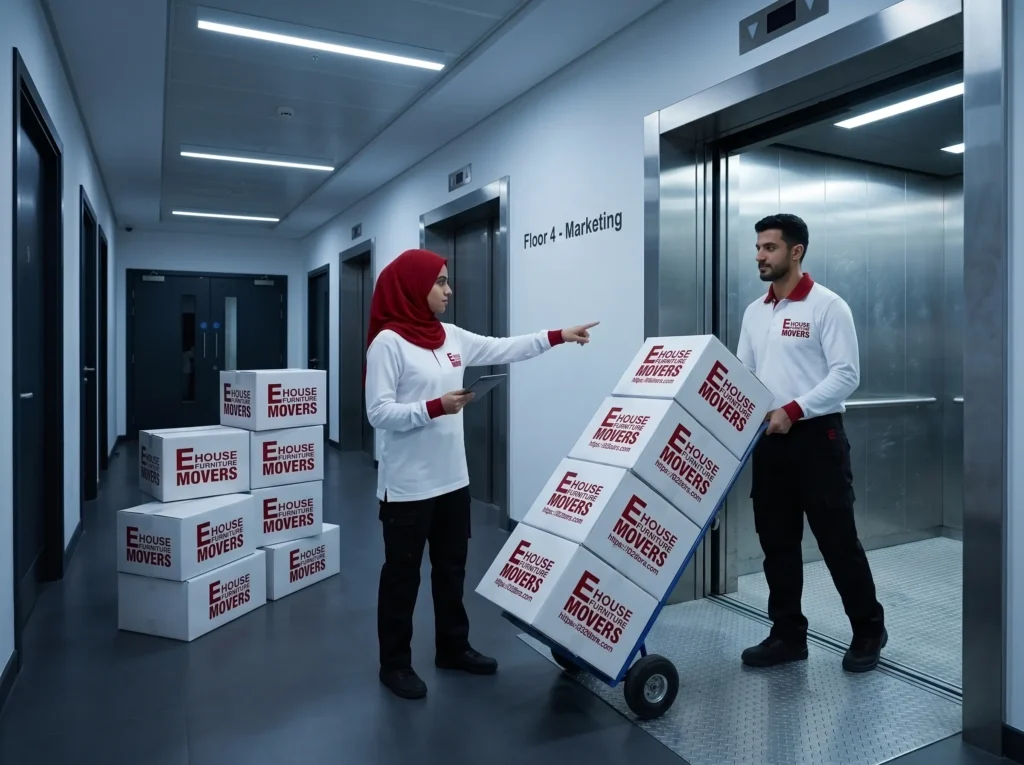
وفيما يلي الهيكل: أي تبعية أقوى على أرضية معينةومعظم أبراج دبي ينتهي بها الأمر بالركض في آن واحد
- طابق واحد يناسب عندما يمتد أصله إلى ثلاثة طابقين أو أكثر مع مخطط مطابق في الوجهة، عندما تكون غرفة الخادم في طابق واحد مكرس، أو عندما يقيد المبنى نفسه الوصول إلى طابق واحد لكل نافذة حجز، تقوم بذلك عدة أبراج من طراز Emaar و DIFC
- تلائم الإدارة كل على حدة عندما تفرق الإدارات عبر الطوابق، عندما لا يمكن للفريق أن يعمل بدون نظام فريق آخر )المبيعات التي لا توجد فيها آلية لإدارة المخاطر المؤسسية، مثلا(، أو عندما تكون التطبيقات السحابية مرتبطة بحساب إدارة بدلا من موقع
- A hybrid model is the most common outcome in Business Bay, JLT and Downtown towers: الموجة 2 تستهدف الأرضية الثقيلة لتكنولوجيا المعلومات، و الموجة 3 مجموعات طابقين أو ثلاثة طابقين لخدمات الأعمال معاً، و الجناح 4 يأخذ ما تبقى
كم عدد الأسابيع التي تحتاجها الحركة؟
حساب نهاية الأسبوع مع الجداول المجال الأرضي وتعقيد تكنولوجيا المعلوماتوليس قاعدة ثابتة؛ وتغطي ثلاثة أقواس معظم مكاتب دبي.
| حجم المكتب | نهاية الأسبوع | الهيكل | مجموع الجدول الزمني |
|---|---|---|---|
| 3,000-6,000 sq ft | 2 | الموجة الأولى، الموجة 2 من تكنولوجيا المعلومات، الموجات 3+4 مجتمعة في عطلة نهاية أسبوع واحدة | ~21 يوم عمل |
| 5,000-12,000 sq ft | 3 | الموجة 1، الموجة 2 من تكنولوجيا المعلومات الأساسية، الموجة 3 خدمات تجارية، الموجة 4 موظفين، الاستقبال | ~28-35 يوم عمل |
| 12,000+ sq | 4 | الموجة 1، الموجة 2 من تكنولوجيا المعلومات الأساسية، الموجة 3 خدمات تجارية، ووايف 4A، ووايف 4B | ~35-45 يوم عمل |
ويحتفظ النموذج الذي يستغرق أسبوعين فقط بالمكاتب الحادية السحابية دون وجود غرفة مخصصة للخواديم في طابق واحد؛ أو نقل مركز البيانات، أو تركيبة نشطة في الوجهة، أو نافذة رمضان، كلها تدفع العد في نهاية الأسبوع الأربعة الماضية بغض النظر عن حجمها.
كم طول الفجوة بين الموجات؟
الفترة الفاصلة نافذة تحقق، وليس وقت النزولوضغطه أقل من خمسة أيام هو المكان الذي تبدأ فيه التحركات على مراحل
- 5 أيام عمل تلائم المكاتب التي لا توجد بها غرفة خدمة مخصصة، حيث تستقر تكنولوجيا المعلومات في 3 إلى 5 أيام وتستقر الإدارات في 2 إلى 3
- 7 أيام عمل هي المعيار بالنسبة لمعظم طوابق المؤسسة المتوسطة الحجم، مما يعطي أسبوعا تجاريا كاملا في العنوان الجديد قبل أن تهبط الموجة القادمة
- 10 إلى 14 يوم عمل ينطبق على عمليات نقل مراكز البيانات، والطابقيات من مركز البيانات الدولي مع مرافقة أمنية في كل عطلة نهاية أسبوع، وأي موجة تحمل أكثر من 200 محطة عمل
ويضيف رمضان ما يتراوح بين 3 و 5 أيام إلى أي وقت مضى، حيث أن انخفاض يوم العمل الذي يستغرق 6 ساعات يبطئ عملية التحقق من صحة تكنولوجيا المعلومات وتسوية الإدارات. والعطلة العامة التي تعبر فترة زمنية تضيف نفس الشيء، حيث توقف توقيع الحكومة مع البوابات.
أيهما يوافقان على تكرار كل أسبوع وأيهما لا؟
التغييرات في التصنيف كم من المرات يشعل كل حرائق الموافقةوالخلط بين ذلك هو أكثر خطأ التخطيط شيوعا في مشروع متعدد الأسابيع.
| الموافقة | التردد | التجزئة |
|---|---|---|
| مبنى NOC | مرة واحدة، على مستوى المشاريع | يُصدر المطورون رقماً قياسياً واحداً يغطي كل عطلة نهاية أسبوع التنفيذ؛ ويُعاد تطبيقه في كل نفايات عطلة نهاية الأسبوع من 3 إلى 4 دورات إيداع |
| تعديل الترخيص التجاري | مرة واحدة | مأخوذة في الموجة 1، الموافق عليها خلال الموجة 4 أو بعدها، تعكس عنوان المقصد فقط |
| تسجيل Ejari | مرة واحدة | مسجلة في الموجة 1 ضد مستأجر الوجهة، AED 220، لا تكرر |
| DEWA | مرتين | التفعيل قبل الموجة 2 حتى يكون لتكنولوجيا المعلومات قوة؛ وقطع الاتصال في الأصل بعد إغلاق الموجة 4 |
| امتثال شاحنات النقل البري | عطلة نهاية الأسبوع | فكل عطلة نهاية أسبوعية من عمليات الإعدام تحتاج إلى تأكيد مسارها الخاص؛ وعطلات نهاية الأسبوع لا ترفع القيود القياسية |
| بوابة فريزون تمر | في عطلة نهاية الأسبوع لكل طاقم | JAFZA, DMCC and DIFC passes are usually batched at Wave 1 to cut the paperwork load |
| العمل الإضافي بموجب قانون العمل الاتحادي | في عطلة نهاية الأسبوع لكل طاقم | معدل الليل في برنامج العمل الإضافي في الولايات المتحدة ينطبق على كل نوبة إعدام |
الرخصة وراء كل واحد من هذه الموافقات تمر عبر إطار الصلاحية الستة في تصاريح الانتقال والمغادرةومعدل ساعات العمل الإضافي الليلية ثابت ساعات عمل حكومة الإمارات العربية المتحدة1 - يتبع امتثال الشاحنة في نهاية الأسبوع في الجدول الوارد أعلاه نفس قواعد الممر التي تغطيها أوقات الطرق المقيدة للمركبات التجارية في دبيوعادة ما تُدير الموجة 2 من تكنولوجيا المعلومات نافذة اتفاق التجارة الإقليمية المفتوحة بين عشية وضحاها بدلاً من فتحها النهاري، ويقع هيكل التحول وراء ذلك الاختيار في ناقلات المكتب الليلية في دبي.
ما الذي يحدث عندما تفشل موجة؟
الاستجابة تعتمد كليا على أي موجة تنزلقبما أن كل منهما يحمل كمية مختلفة من الأعمال
- الموجة الأولى تكلّف أسبوعاً على الأكثر. لم يتحرك شيء جسدياً، لذا فإن الموجة الثانية تتحول ببساطة إلى سبعة أيام بدون تأثير
- وفشل الموجة 2 ينطوي على أكبر خطر، لأن الموجتين 3 و 4 تعتمدان عليه. ويبقى نظام تكنولوجيا المعلومات المنشأ حيّاً كنتيجة للتصميم، ويستجيب فريق متخصص في غضون 24 ساعة، ويؤجّل الموجة 3 ما بين 5 و7 أيام بدلاً من الانتقال إلى شبكة دون حل
- الموجة 3 الفشل تبقى متضمنة التأخير في المصعد أو نقص الطاقم يدفع في عطلة نهاية الأسبوع في دورة واحدة على الأكثر، ويبدأ الموجة 4 في الموعد المحدد ما لم يتكرر الخطأ نفسه هناك
- الفشل في الموجة 4 يحمل أقل وزن العمل يعمل بشكل كامل بعد الموجة 2 و3، لذا حركة استقبال متأخرة غالباً ما تتأخر في تسليم حامل البريد ونقل العنوان لمدة أسبوع أو اثنين
وتستأثر خمسة أسباب جذرية بمعظم حالات الفشل الموجي، وترجع جميع الآثار الخمسة إلى الموجة الأولى، وتقدّم شركة نفط شمالية في عطلة نهاية الأسبوع بدلاً من أن تكون على نطاق المشروع، وحملة شحن مزدوجة مع مستأجر آخر، ووصلية غير مؤكدة قبل الموجة 2، وتمتد طاقم مشترك عبر موجتين في آن واحد، وتركت مسار الشاحنات دون تخطيط لعطلة محددة. الموجة 1 تزيل معظم المخاطر قبل ظهورها The AED impact of a failed wave and the rescheduling costs that follow sit in.
الخلاصة
فالتنفيذ التدريجي ليس حلا وسطا بالنسبة للمكاتب الكبيرة جدا للانتقال في عطلة نهاية الأسبوع؛ بل هو النموذج الذي يجعل الحد الأدنى من الحجم قابلا للتحرك على الإطلاق. أربعة موجات في نظام ثابت، تكنولوجيا المعلومات أمام الإدارات التي تعتمد عليها، والاستقبال الأخير حتى لا يفقد العالم الخارجي نقطة اتصاله، والفجوة المقيسة بين كل واحد للتأكد من الموجة الأخيرة التي كانت موجودة بالفعل قبل أن تبدأ بعد ذلك. الحصول على الموجة 1 اليمين والثلاثة الأخرى تتبع؛ تخطيه وكل موجة لاحقة ورث الخطر.
مشروع متدرج يُنفذ على أساس الثقة خلال أربع عطلات نهاية أسبوعية منفصلة، لذا يُغطي الترخيص والتأمين ضد الغير. ناقلات في دبي المهم هنا أكثر من الحجز في نهاية أسبوع واحد
الأسئلة الشائعة
نقل مقسم 2 إلى 4 عطلات نهاية الأسبوع في أربع موجات: التركيب الإداري، وجوهر تكنولوجيا المعلومات، وخدمات الأعمال، ومجالات الموظفين، والاستقبال، ولا يزال مكتب المنشأ يتداول بين الموجات.
أكثر من 000 3 قدم مربععطلة نهاية أسبوع واحدة لا يمكن أن تحمل الحمل. It becomes standard practice past 5,000 sq ft and mandatory above 15,000 sq ft with 200 or more workstations.
عطلتان عطلتان لـ 000 3 إلى 000 6 سرقة، و 3 لـ 000 5 إلى 000 12 سرقة، و 4 لـ 000 12 سرقة وما فوقهامع نقل مركز البيانات أو التأقلم النشط أحياناً يمتد إلى أربعة
الهياكل الأساسية لتكنولوجيا المعلوماتفي الموج 2، لأن كل موجة لاحقة تعتمد على شبكة عمل في المقصد وينتقل التمويل أولاً داخل الموجة 3 لنفس السبب على مستوى الإدارات.
مرة واحدةكموافقة واحدة على مستوى المشاريع تغطي كل عطلة نهاية أسبوع التنفيذ وضعه في عطلة نهاية الأسبوع نفايات من ثلاث إلى أربع دورات للتكرار
5 أيام عمل على الأقل، 7 أيام كحد أدنى، و 10 إلى 14 لطابق معقد مثل مراكز البيانات أو مباني مركز البيانات الدولي مع مرافقة في كل عطلة نهاية أسبوعية.
هذا يعتمد على الموجة الموجة 1 تُكلّفُ في الإسبوع بدون سلسلة تعاقب. الموجة 2 تحمل أكثر المخاطرة وتتسبب في التراجع إلى مصدر تكنولوجيا المعلومات. الموجة 3 تأخير في عطلة نهاية أسبوع على الأكثر الموجة 4 غالباً ما تؤخر تسليم الاستقبال
نعم، و هو عادة يفعل. النقل الأساسي لتكنولوجيا المعلومات ينتقل عادة إلى نافذة الساعة 00/16 استخدام ساعات الشاحنات المفتوحة في منطقة التجارة الإقليمية، لا سيما بالنسبة للمستأجرين من مركز التجارة الدولية والحكومة ومستأجري تكنولوجيا المعلومات البالغة الأهمية في البعثات.
Sarmast Baloch is a distinguished content strategist and industry writer with multiple years of specialized expertise in the self storage and residential relocation sector. ويعكس عمله قيادة عميقة لنقل اللوجستيات، والتخزين الأمثل، واستراتيجيات إعادة توطين المستهلكين، مما يؤدي باستمرار إلى توفير محتوى موثوق به ومستند إلى نظرة ثاقبة، مما يسد الفجوة بين معارف الصناعة وصنع القرار كل يوم. وعلى مر السنين، بنى سارماست سمعة قوية لتصميم روايات مدروسة بدقة، ومزودة ببيانات تمكن أصحاب المنازل والمستأجرين والأعمال التجارية من الاقتراب من إعادة التوطين بشكل واضح وثقة. واشتملت مساهماته التحريرية على طائفة واسعة من مواضيع النقل والتخزين، من تحليل التكاليف وتقييم البائعين إلى حلول لوجستيات إدارة الفضاء البعيدة المدى. صوت موثوق به في المشهد المتحرك والتخزين، (سارماست) يجلب مزيجاً نادرًا من التصلب التحليلي والقصّة الميسّرة لكلّ قطعة ينتجها، مما يجعله سلطة قيّمة في (إيهوس موفرز).
إدريس هو متخصص في الخدمات اللوجستية مع التركيز على نقل السكن وكفاءة سلسلة التوريد. مع خبرة واسعة في صناعة النقل ، فهو متخصص في سلامة النقل ، وتقنيات التعبئة المتخصصة للسلع عالية القيمة ، وإدارة الأسطول. وهو مكرس لتبسيط عملية النقل، وضمان التعامل مع كل عملية نقل مع التخطيط الاستراتيجي والرعاية القصوى.